Please fill in this field correctly

Integration of windows into the smart home system
Integration of windows into a smart home: sensors, drives, energy savings, and microclimate automation.
Modern architecture views a building as a single organism with managed engineering systems. The window has evolved from a passive element of the facade into an active engineering node that controls the microclimate, lighting, and security. For specialists, it is a technological valve integrated into a digital control center of the object, minimizing human intervention in operational processes.
Years of experience in installing premium systems confirm that glazing automation is not just a marketing move, but primarily an effective engineering tool for radical cost optimization. When planning turnkey windows in Alicante, the client must understand that the stable operation of the system is only possible with flawless synergy between the mechanical base and electronics. Without professional design and installation, even the most expensive automation will not ensure the expected longevity of the structure.
The Technical Essence of Integrating Window Systems into a Smart Home
To understand the essence of this process as accurately as possible, it is worth imagining the window as a body and the smart home system as the central nervous system. The products based on PVC or lightweight metal alloys do not inherently contain microchips. They remain static enclosing structures. True integration occurs only when we equip these structures with specialized peripheral devices that serve as sensory organs (sensors) and muscles (actuators).
A professional setup of such a system usually includes the following list of components:
- Electronic position sensors or magnetic contact reed switches. These are compact devices installed inside the structure that allow the system to understand whether the sash is closed, open, or in ventilation mode.
- Electric drives. Actuation mechanisms of chain, spindle, or rail type that physically move the movable part at the command of the controller or upon user request.
- Automated external sun protection systems. Protective screens, louver structures, or façade awnings equipped with intelligent motors with feedback functionality.
- External weather stations and sensors. Devices that transmit data on solar activity, wind direction and speed, precipitation presence, or the level of carbon dioxide concentration in the room.
- Intelligent glass. Specialized products capable of changing their transparency under the influence of electric current or performing heating functions due to metallized coating.
All these components exchange information using standardized data transmission protocols such as KNX, Zigbee, or Apple HomeKit. This allows for the programming of complex logical scenarios. For example, if no one is home and external sensors detect the onset of a storm, the system automatically closes all openings and lowers protective screens.
Opening Sensors as the Foundation of Security and Energy Savings
The very first and at the same time most important step towards automation is the installation of status sensors for movable elements. In a professional engineering approach, it is recommended to use hidden sensors or reed switches. They are mounted directly into the internal groove of the frame during the factory manufacturing stage. They cannot be seen from the outside, do not disrupt aesthetics, and remain protected from mechanical damage or moisture during operation.
This basic solution ensures the implementation of three critically important functions.
Multilevel Protection of Property and Perimeter
Unlike conventional systems, structures with a high level of resistance to break-ins, connected to a smart home, raise an alarm at the first shift of elements or attempts of forced influence on locking nodes. This gives the security system additional time to respond before the intruder enters the premises. The system can automatically turn on all lighting on the property and send an alarm notification to the owner's mobile device.
Intelligent Climate and Resource Management
This is a direct path to ensuring that your energy-efficient windows operate at full capacity. Imagine a standard situation where you open the sash for ventilation while the air conditioner continues to consume energy for cooling. The sensor instantly informs the central controller, which puts the climate equipment into standby mode. This can reduce annual cooling costs by 20-30%, which is a significant figure for owners of large areas.
Full Remote Monitoring of the Object's Status
The owner can always check that the building is completely closed simply by opening the app. This alleviates the anxiety common among property owners before leaving for an extended trip. There is no need to return to personally check each sash in the house. The real-time monitoring system of the status of constructions excludes the human factor of forgetfulness.
Advantages of Automatic Opening of Window Structures
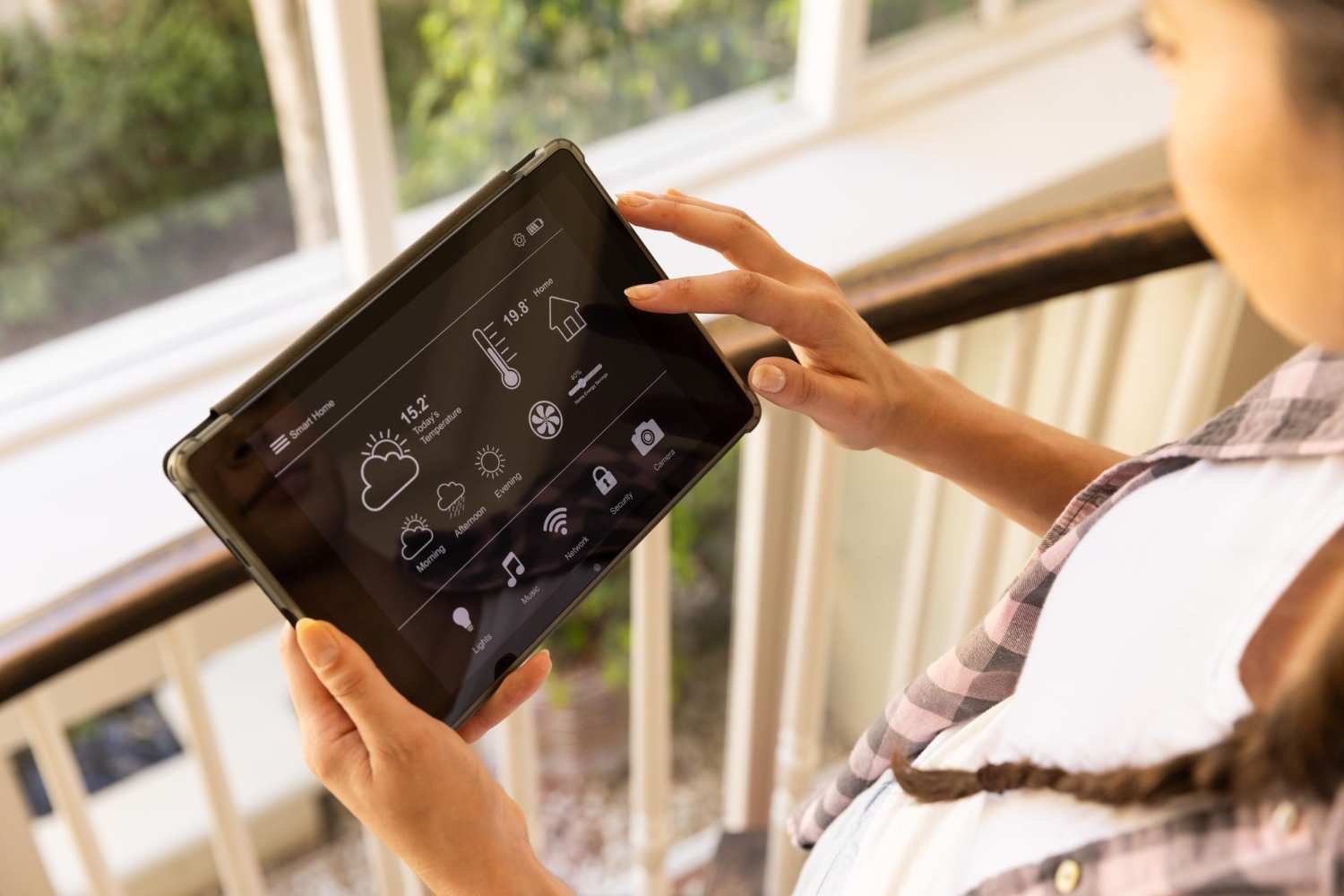
The next level of integration involves the use of electric drives. In modern architecture with panoramic glazing, the weight of an individual moving part can reach 150 kg or more. Daily manual manipulation of such mass not only creates inconvenience but also leads to increased wear of the hardware due to uneven physical loads.
Electric drives become indispensable in several key scenarios:
- Hard-to-reach areas. Structures on staircases, in skylights on roofs, or high elements in living rooms with a second light require automation for daily operation.
- Hygienic ventilation. The system is set to automatically open a few millimeters to maintain a healthy concentration of oxygen and remove excess carbon dioxide based on CO2 sensors.
- Comfort of sliding systems. Products with a lift-and-slide mechanism equipped with drives open smoothly and silently, creating ideal conditions for accessing terraces or pools.
- Fire safety. Integration into the smoke removal system ensures forced opening of openings in case of alarm activation for the safe evacuation of residents.
When choosing automation, one should not rely solely on low prices. A weak drive will not be able to ensure tightness, leading to heat loss. It is also important to consider the neutral point or the mounting location of the mechanism so that it does not cause micro-deformations of the profile system during operation.
Interaction with Climate Systems to Create a Thermos Effect
The greatest economic effect from investments in energy-efficient windows is felt through their close interaction with heating and air conditioning. From a thermodynamic perspective, an opening in the wall acts as the most active channel of energy exchange between the building and the environment. A professionally adjusted system operates in real conditions under several scenarios.
Active Sun Protection Scenario in Summer
During heat waves, the smart home acts preventively. Instead of turning on the air conditioner at maximum power, the system first lowers the external protective screens or tilts the slats of the blinds. This blocks thermal energy before it reaches the glass, preventing the room from overheating. This drastically reduces the load on the equipment and extends its lifespan.
Night Passive Cooling of Rooms
In warm seasons, the system can automatically open the sashes at night when the external temperature drops below the comfortable internal level. This allows the walls and ceilings of the building to cool naturally without any electricity costs. In the morning, the windows close, retaining the accumulated coolness throughout the day.
Automatic Humidity Level Control
When the so-called dew point is reached, when there is a risk of condensation, the system initiates micro-ventilation. This maintains a healthy atmosphere, prevents mold growth, and protects the integrity of expensive interior finishes, which is especially important for coastal regions with humid air.
Features of Sun Protection in the Climate Conditions of Spain
This applies to facilities located in regions where solar radiation is so intense that it can irreversibly damage the color of furniture, artworks, and flooring in one season.
Smart sun protection systems are based on the following principles:
- Use of light meters. This allows for the detection of brightness threshold exceedances and automatically adjusts the position of shading elements. As a result, enough natural light remains in the room while heat is blocked from the outside.
- Dynamic wind protection. External structures have high sail properties. If the weather station detects strong gusts of wind, the system immediately retracts the awnings, preventing damage. This is critical during Levante storms.
- Psychological safety and presence simulation. Automatic manipulation of roller shutters creates the effect of the owners' presence, which is an effective means of protection against illegal entry during prolonged absence.
Technical Nuances to Know in Advance
Not every structure can be turned into a smart one after construction is completed without aesthetic losses.
- First, the engineering infrastructure is critically important. Automation requires stable power supply and control lines. If this is mentioned after finishing the decoration, external cable ducts will have to be used, which significantly spoils the look of the premium interior.
- Second, one must consider the physical load on the structural nodes. The electric drive creates a powerful force. If the hardware is not designed for such work, the system will fail very quickly. We use only products with an increased number of chambers and reinforced series of hardware with anti-corrosion coating.
- Third, it is necessary to remember about professional regulatory maintenance. Any complex system requires care. At a minimum, a review of mechanisms, cleaning of contacts, and checking of sensors should be carried out at least once a year to ensure the uninterrupted operation of all smart home elements.
The Best Time for Planning Window Integration
The most rational moment for planning falls at the architectural project stage. Even if the current budget does not allow for the immediate installation of all intelligent devices, it is recommended to lay cable lines to each opening during the rough work stage. The cost of the cable is negligible, but it gives you complete freedom of action in the future without the need to demolish walls.
When working with already completed facilities, specialists offer hybrid scenarios. This involves using radio channel sensors in combination with local power supply. This is a more complex engineering challenge, but it also allows for a high level of automation and comfort for residents without major renovations of the premises.
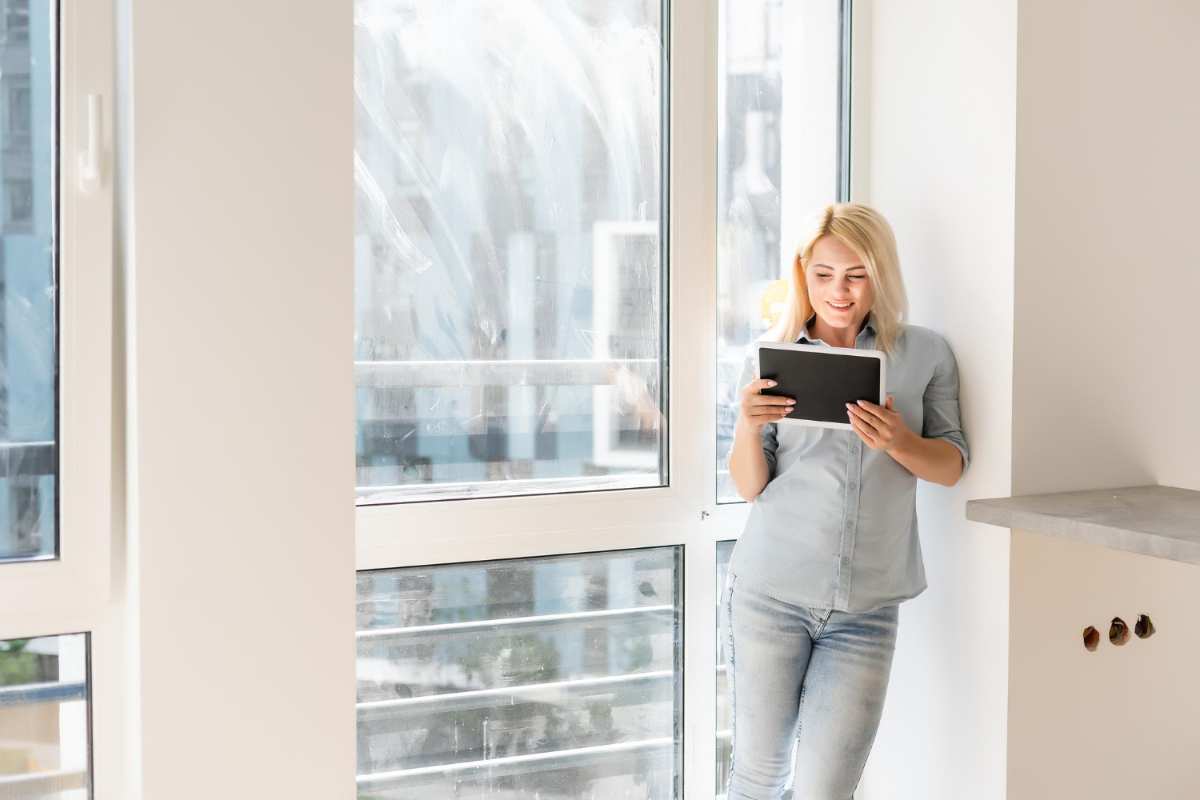

FAQ: Frequently Asked Questions and Answers
Is it mandatory to order automated windows for the entire house at once?
No, you can proceed in stages. The main thing is to choose quality foundations that support future automation and to prepare the wiring network in advance.
What will happen to the window if the power goes out in the house?
Professional systems have backup power sources. Additionally, the design of the drives allows for mechanical unlocking to manually open the sash in an emergency situation.
How securely are smart windows protected from hackers?
Industrial communication protocols with data encryption are used. It is important to understand that the mechanical strength of the frame and glass remains the first line of defense regardless of the state of the electronics.
What type of sun protection is most effective for a smart home?
From an energy efficiency standpoint, external systems are the best choice. They stop thermal radiation before it passes through the glass into the room.
Is controlling such windows too complicated for elderly people?
On the contrary, a properly configured system completely frees a person from the need for manual control. The windows respond to external factors automatically through preset scenarios.

We will consult and provide a clear cost estimate
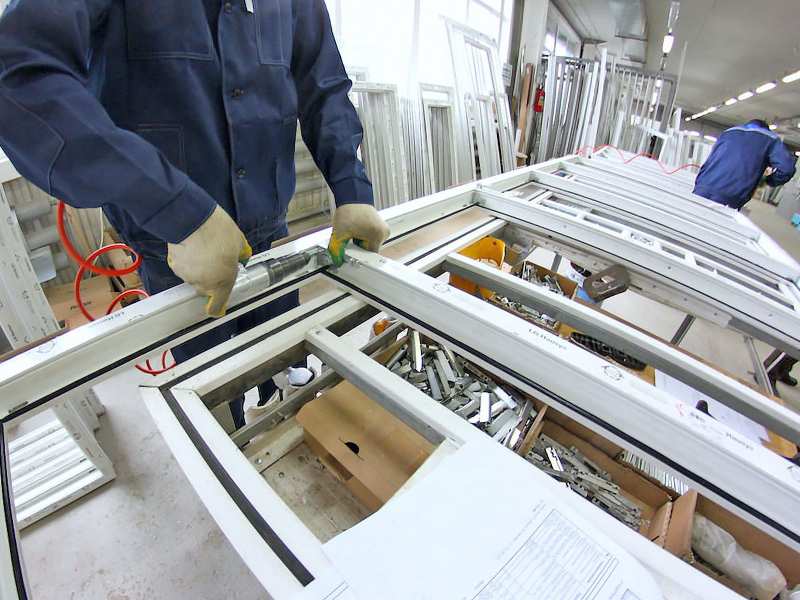
We will gather and complete
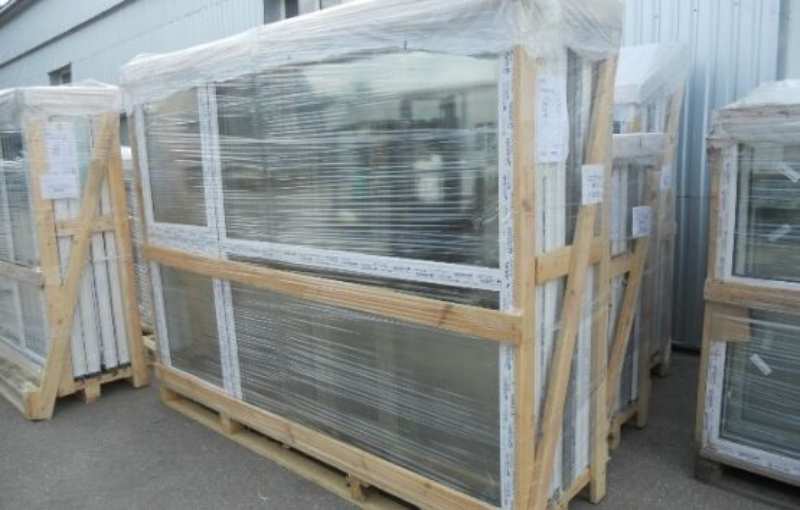
We will deliver intact and with a guarantee
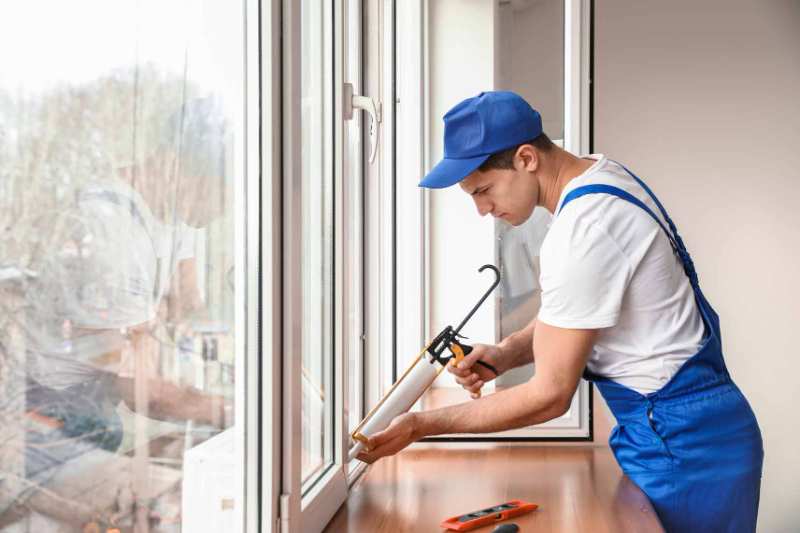
We will install windows and clean up after ourselves
Do you have questions?
Leave your contact details
We will contact you shortly, provide all the necessary information about the products, and make a cost calculation.
+34
- Spain (España)+34
- France (La France)+33
- Italy (Italia)+39
- United Kingdom+44
- Ukraine (Україна)+34
- Belgium (België)+32
- Switzerland (Schweiz/Suisse)+41
- Germany (Deutschland)+49
- Netherlands (Nederland)+31
Please fill in this field correctly
Our Contacts
Spain
Call us now
Write to us