Please fill in this field correctly

Technical solutions and efficient windows for restaurants or cafes
Windows for restaurants and cafes: sound insulation, energy efficiency, safety, and sliding systems.
Designing and installing windows in restaurants and cafes requires a fundamentally different approach than in regular residential buildings or offices. Practice shows: mistakes in choosing systems for commercial properties manifest instantly. An expert approach involves not only aesthetics but also technical compliance with extreme conditions: intense use, loads on the hardware, and strict requirements for sound insulation.
For the establishment owner, a window is not just a glass wall, but a complex engineering tool that directly influences whether a customer will want to return to the establishment. By choosing modern energy-efficient windows, the investor invests in future savings on heating and cooling the hall, which is critically important amidst the constant rise in energy costs. If a guest feels cold from the panoramic glass or is irritated by the noise of cars from the street, they will simply not finish their meal and will not return.
Key requirements for professional glazing in public catering establishments
In restaurants, windows perform a complex of tasks that are important to consider at the idea stage. They create the emotional state of the visitor and ensure the viability of the business:
- Light scenario: proper natural lighting makes dishes more appetizing and the atmosphere pleasant.
- Live showcase effect: a visual connection to the street attracts new customers.
- Stable microclimate: prevention of condensation ("crying" windows) even under maximum load.
Unlike residential spaces, specific influencing factors are added here:
- Load on hardware: sashes open dozens of times an hour.
- Humidity and temperatures: kitchen operations create excess pressure and humidity.
- Safety: large windows on the ground floors are a risk zone for accidental damage.
Aesthetics and design of window constructions
The restaurant's windows are the main element of visual identification. It is the facade that shapes the first impression of the guest even before entry. Modern technologies allow for frames to be inconspicuous or to turn them into a bright accent.
The design possibilities of window systems include the following tools:
- Color solutions. The use of a wide palette allows for the selection of a profile shade that perfectly matches the branding elements of the establishment.
- Surface texture. You can choose a matte finish, noble metallic, or lamination that imitates natural wood for cozy classic halls.
- Concealed sashes. This technology allows the movable part of the window to be hidden behind the outer frame, creating the illusion of a solid seamless glass.
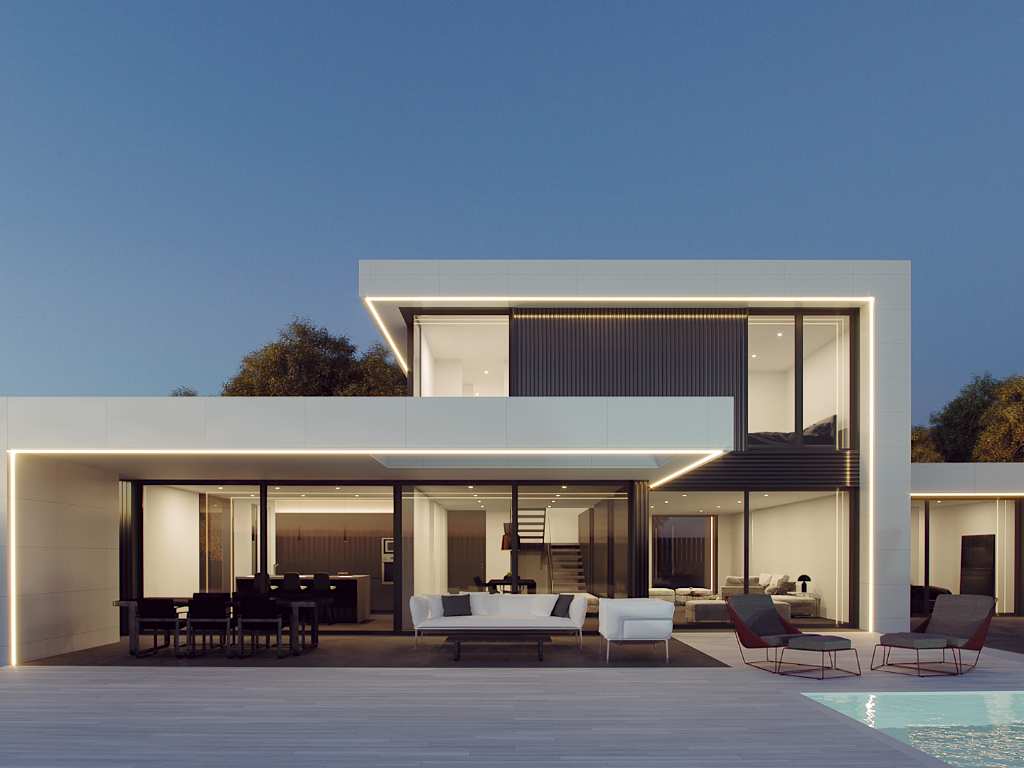
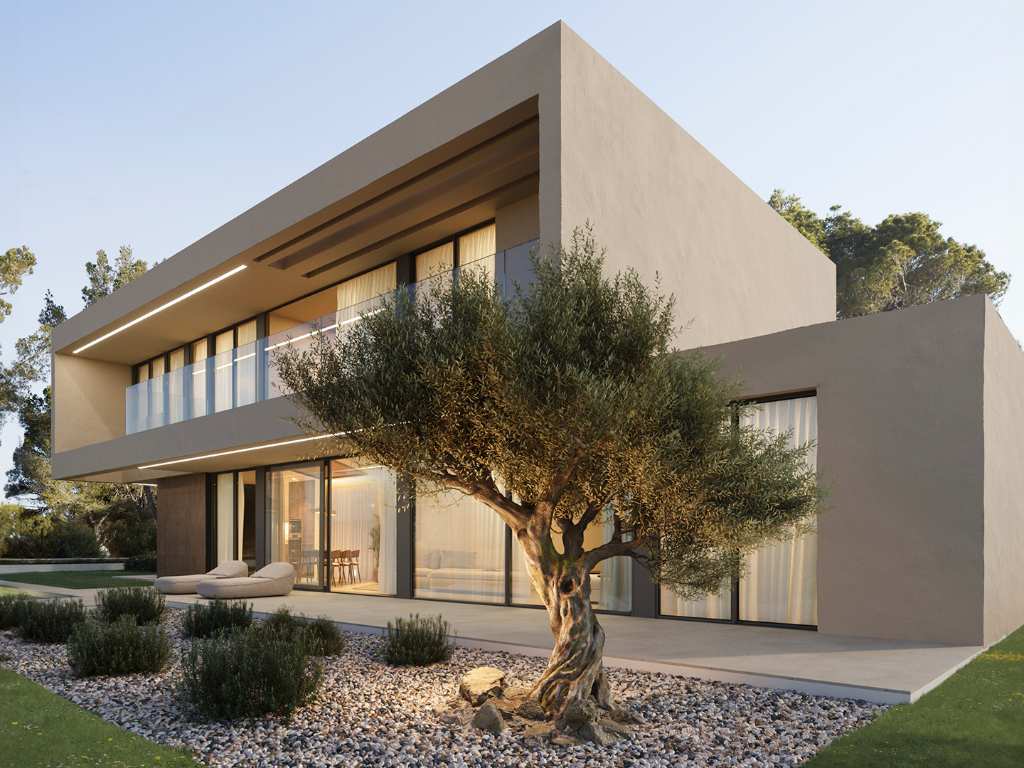
The architectural harmony of the establishment is achieved through proper proportions and division of light openings. It is important that the windows do not appear as an accidental element but emphasize the rhythm of the building. For loft-style establishments, systems with thin transoms that imitate steel frames from the last century are ideal. At the same time, for modern projects, it is better to choose constructions with maximum glazing area, where the profile becomes almost an invisible background for a beautiful view.
Features and real possibilities of large glazing systems
Panoramic glass facades provide a sense of openness and scale, but from an engineer's perspective, such constructions have a number of critical nuances. The main difficulty lies in the fact that glass is an extremely heavy material that begins to behave unpredictably at large sizes. Without precise calculations, a large window can become the cause of constant problems with mechanisms and tightness:
- The weight of the construction can exceed 60 kilograms per square meter, requiring reinforced frames.
- The pressure on the foundation requires the installation of special strong pads that will prevent the structure from sagging under its own weight.
- The wind resistance must be calculated so that large glass surfaces do not vibrate and crack during strong gusts.
For such objects, aluminum systems are recommended. They are ideal for large openings, resistant to salt (by the sea), and do not deform from heat. Plastic systems are also possible but require steel reinforcement of at least 2 mm thickness; otherwise, the frame will bend from sunlight, preventing a tight closure.
Use of sliding systems and opening facades
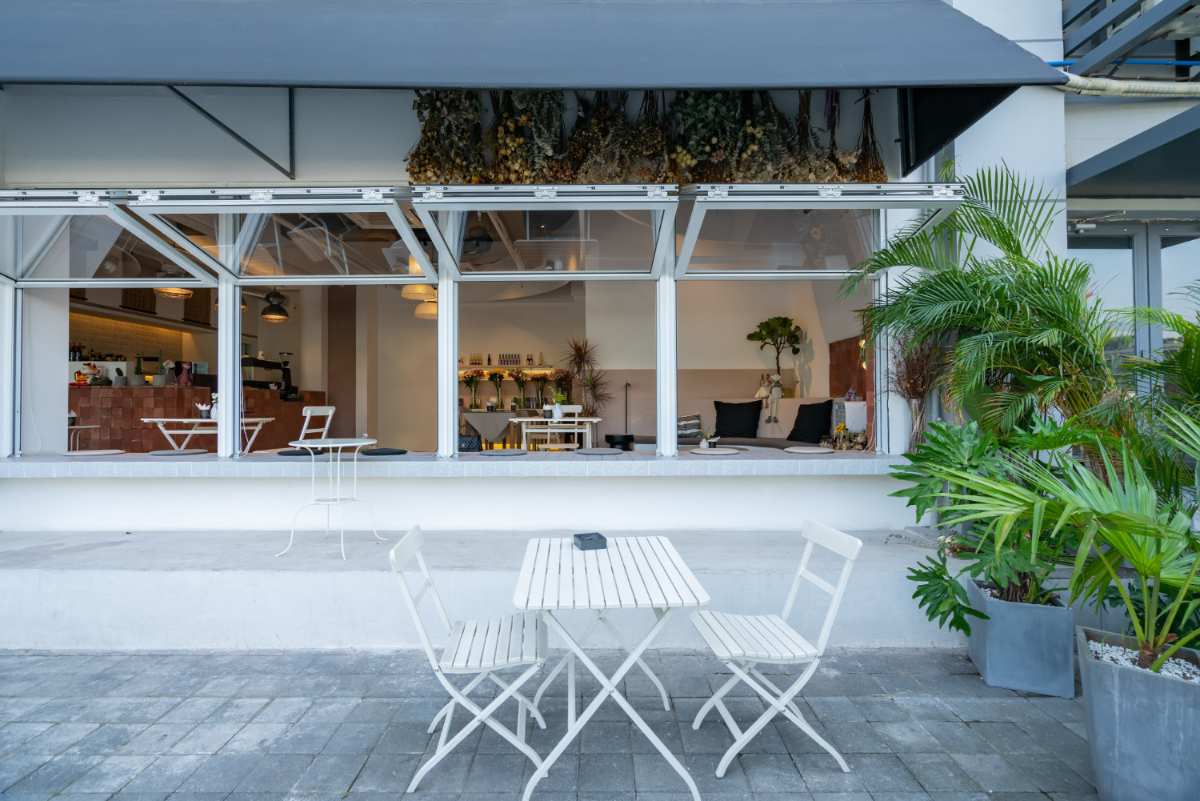
“Transformer” systems allow for combining the hall with the street, which is perfect for summer terraces. These are complex constructions made of many moving parts:
- HS-systems: allow for smooth movement of sashes weighing up to 400 kg along rails.
- “Accordion” systems: allow for completely freeing the opening.
It is critically important to ensure perfect floor geometry. The slightest skew will lead to jamming and rapid wear of expensive rolling mechanisms.
The Role of Sound Insulation as a Critical Parameter of Comfort
Restaurants are often located in noisy urban areas, so the tranquility of guests depends on how well the windows absorb external sounds. Quality sound insulation is achieved not just by the thickness of the glass, but by a professional combination of materials with different physical properties. We use the following technical solutions:
- Different thicknesses of glass in one package (for example, 6 mm and 4 mm) allow for the damping of sound waves of different frequencies.
- Different chambers between the panes interrupt sound resonance, preventing the package from acting like a drum.
- Multi-layered triplex glass with an internal film serves as the best barrier against street noise.
However, even the best glass will not help if mistakes were made during installation. Sound behaves like water – it seeps through the smallest cracks at the junction of the window to the wall. Therefore, the tightness of the joints is a mandatory condition.
The Impact of Energy Efficiency on Overall Costs of the Establishment
For businesses, windows are not just design elements, but also a constant operational expense. Due to large glazed areas, heat escapes in winter, and in summer the hall overheats, which forces air conditioners to operate at their limits. Proper technologies allow windows to be transformed from a source of costs into a tool for savings:
- Low-emission coating on the glass acts like a mirror for heat, reflecting it back into the room in winter.
- Multi-functional packages filter solar energy in summer, allowing savings of up to 40 percent on cooling budgets.
- Plastic or composite frames inside the glass eliminate the cold contour, preventing the occurrence of condensation and mold.
The use of such solutions allows guests to feel comfortable even at tables placed close to the window. This increases the value of every square meter of the establishment. In addition to direct savings on electricity, you gain protection for furniture from sun fading and ideal sanitary conditions due to the absence of moisture on the frames. This is a professional approach that pays off in the first years of the restaurant's operation.
Organization of Ventilation through Window Structures
Even the most modern ventilation system in the kitchen can fail or require assistance. Windows must be active participants in air exchange so that food odors do not linger in the hall and carbon dioxide does not accumulate. We recommend using the following solutions:
- Upper transoms allow hot air to exit naturally, without creating drafts at guests' legs.
- Automatic drives can open windows upon signals from sensors, ensuring a flow of oxygen without staff intervention.
- Air supply valves allow the establishment to "breathe" around the clock, even when all windows and doors are tightly locked.
This helps avoid stuffiness and preserves the health of visitors. Air exchange at the top of the hall occurs unnoticed by people, which is an important indicator of a high level of service. Furthermore, proper ventilation through windows helps maintain optimal humidity, protecting the interior of the establishment from premature aging.
Modern Security and Reliable Anti-Vandal Solutions
The establishment's showcase must be sturdy and reliable. It is necessary to ensure security at multiple levels so that the owner can leave the restaurant at night without fear of robbery. This is a complex of engineering measures that make the window a real barrier for intruders:
- Special anti-burglary hardware with steel elements prevents the window from being easily pried open with a crowbar.
- Tempered glass withstands huge impacts and, when shattered, poses no danger to people, as it breaks into small fragments.
- Protective films inside the glass hold it together even after a strong impact with a heavy object.
For restaurateurs, this means the possibility of eliminating unsightly metal grates that spoil the facade's appearance and deter customers. Security becomes invisible but extremely effective. You gain peace of mind for valuable property inside and confidence that an accidental stone from a car tire will not disrupt your business operations.
Professional Installation to Ensure the Longevity of Structures
A quality window is only half the success. The other half is proper installation, where every detail matters. Commercial buildings constantly experience vibrations and loads, so installation must be as rigid and reliable as possible. We pay special attention to the following stages:
- Precise laser alignment of the frame ensures that heavy sashes do not sag and do not start to jam within the first month.
- Multi-layer joint insulation protects the mounting foam from degradation by sunlight and moisture.
- An increased number of fastening points provides stability to the showcase in strong winds and daily impacts from doors.
Windows for restaurants or cafes are a complex engineering system that must operate flawlessly under any conditions. Practice shows that the most cost-effective solutions take everything into account – from the weight of the glass to the wind force outside. Quality glazing is not just part of the design; it is a strategic investment that makes your establishment cozy for guests and economical for the budget. By choosing reliable materials and professional installation, you are building the foundation for a successful business for many years to come.
FAQ: Frequently Asked Questions and Answers
Are standard windows suitable for cafes?
No, they are too weak for commercial use. Residential frames quickly fail due to constant openings. Reinforced systems with thick metal and higher reliability mechanisms are required for cafes.
What windows are best for a summer terrace?
The best option is aluminum sliding systems. They are much more durable than plastic, allow for creating huge openings for guests, and serve for decades without losing their appearance.
Does sound insulation really affect a venue's income?
Yes, because silence is a sign of high status and comfort. If a restaurant is quiet, guests spend more time there and order more items from the menu, which directly increases your average check.
Is it safe to install large glass showcases on the ground floor?
It is absolutely safe provided that tempered glass or triplex is used. Modern technologies allow the glass to be as strong as a brick wall while maintaining full transparency.
Why do windows in cafes often start to close poorly?
Usually, this is a result of saving on the thickness of the internal metal or poor installation. A heavy sash bends a weak frame over time, so for commercial premises, we only use reinforced profiles and reliable fasteners.

We will consult and provide a clear cost estimate
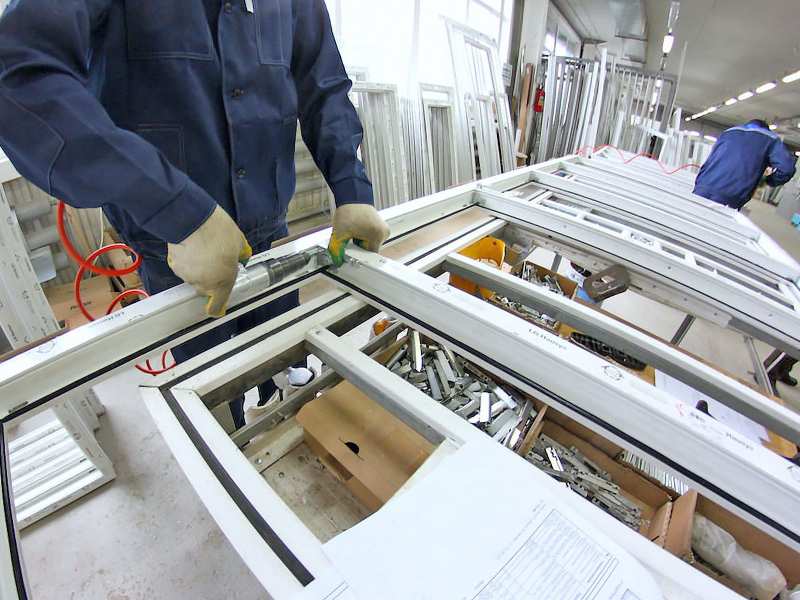
We will gather and complete
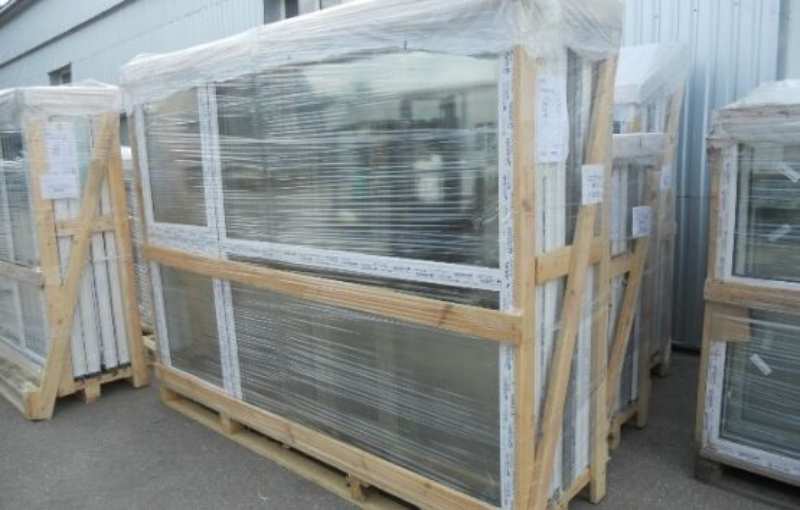
We will deliver intact and with a guarantee
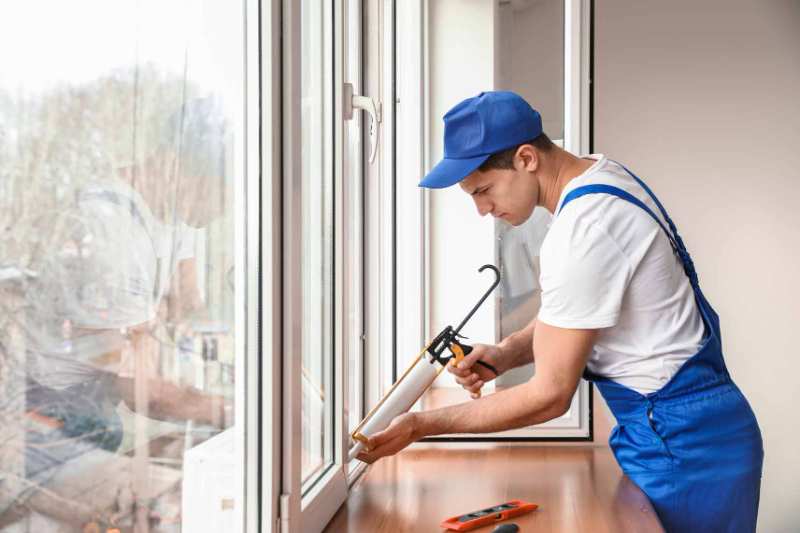
We will install windows and clean up after ourselves
Do you have questions?
Leave your contact details
We will contact you shortly, provide all the necessary information about the products, and make a cost calculation.
+34
- Spain (España)+34
- France (La France)+33
- Italy (Italia)+39
- United Kingdom+44
- Ukraine (Україна)+34
- Belgium (België)+32
- Switzerland (Schweiz/Suisse)+41
- Germany (Deutschland)+49
- Netherlands (Nederland)+31
Please fill in this field correctly
Our Contacts
Spain
Call us now
Write to us