Please fill in this field correctly
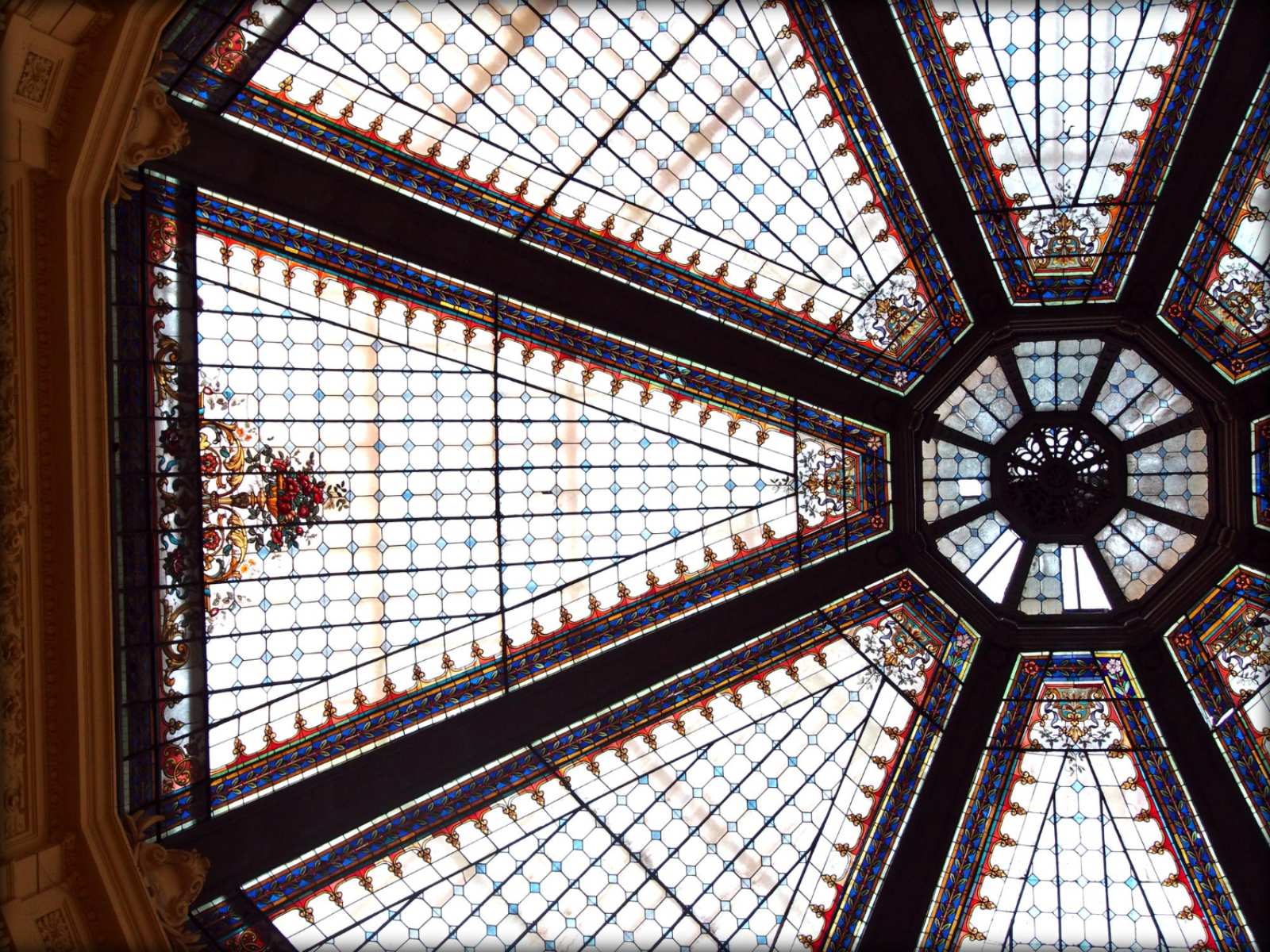
The history of modern windows from a simple opening to complex engineering structures
The history of window development: from primitive openings to complex energy-efficient systems of the future with vacuum glass and intelligent functions.
The window in its original meaning was merely a simple opening in the wall, whose main task was to let in daylight and provide at least minimal air circulation. Over the millennia, these structures have evolved from rough cracks in stone to refined artistic objects, and later to complex engineering systems. Today, a window is no longer perceived as a passive element of a building. It is a high-tech structure that actively works with heat retention, noise protection, safety assurance, and enhancing the overall energy efficiency of the building.
Evolution of Window Systems
This process is closely intertwined with changes in social ways of life, the development of construction technologies, and the constant increase in human demands for comfort and aesthetics in their homes.
Just Openings in Walls
In the earliest dwellings, windows served purely utilitarian functions. They were open openings without glass, which were covered with wooden shutters, fabric, or animal skins.
Light entered along with cold, dust, and noise. There was no talk of insulation or protection from the elements at that time. Even after the appearance of the first glass (Roman era), it remained an incredible luxury. Small, uneven fragments were inserted into wooden frames, and the window itself was more of a decorative element of wealthy estates than a mass technical solution.
Development of Window Frames and Introduction of Engineering Approaches
With the development of crafts in the Middle Ages and the Renaissance, windows acquired sturdy frames made of wood and metal. They became larger, and the possibility of opening and ventilating appeared.
However, the structures remained simple, and heat losses were significant. The industrial revolution of the 19th century gave impetus to the mass production of glass and standard frames. It was then that the window began to be perceived as a separate element of the building that could be improved and adapted to operating conditions.
The Revolutionary Impact of Double Glazing on Energy Efficiency
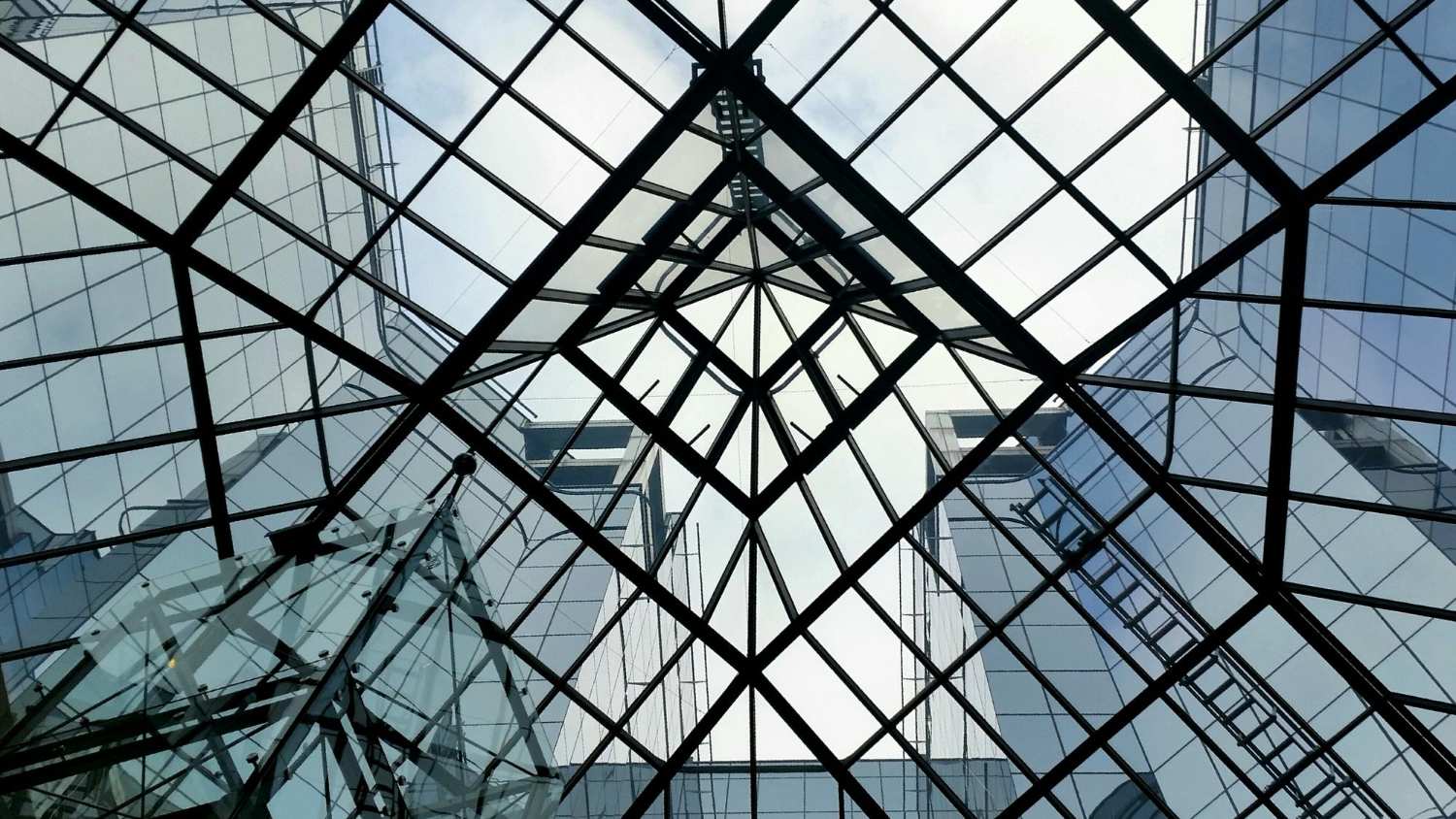
A true technological breakthrough occurred in the mid-20th century with the advent of double glazing, although the idea of sealing air between two layers of glass originated much earlier. In 1865, American Thomas Stetson received a patent for insulating glass, but the engineering of the time did not allow for mass production. Only in the 1930s did the company Libbey-Owens-Ford introduce a product called Thermopane, which laid the foundation for the modern industry.
Two or more panes of glass separated by an air or gas chamber radically changed the perception of windows. They ceased to be the "weak point" of a wall through which all the heat escaped. From this moment, the window begins to function as a complex engineering system. Calculations emerge:
- Thermal conductivity (U-value) regarding the window's ability to retain heat.
- Sound insulation to protect against urban noise.
- Solar factor as the ability to transmit light and block infrared radiation.
The Use of Modern Materials and Multifunctionality of Systems
Today's windows are made from PVC, aluminum, wood, and their combinations. Each material has a clear engineering justification and its history of development. For example, the first plastic windows appeared in Germany in 1952 thanks to Heinz Pashé's patent, and their mass distribution began only in the late 1950s. Each material has its advantages:
- PVC due to its affordability, airtightness, and excellent thermal insulation. This became the mass standard after the energy crisis of the 1970s.
- Aluminum due to its strength for creating large panoramic structures.
- Wood as an ecological solution with natural thermal regulation in the premium segment.
Modern windows are a thoughtful system for comfort. Special coatings retain heat in winter, while multifunctional glass protects against heat in summer. The construction effectively blocks noise due to the varying thickness of the panes and ensures safety through strong glass and anti-burglary features.
Windows as an Important Part of Energy-Efficient Architecture of the Future
The "passive house" concept, founded in 1988 by Bo Adamson and Wolfgang Feist, transformed windows into an active tool for energy balance. The first such object in Darmstadt (1991) proved that large energy-efficient structures can save up to 50 percent on heating costs due to solar radiation.
Today, the window becomes the intelligent shell of the building. Futuristic developments already allow the use of transparent photovoltaic elements for generating electricity from the facade, while electrochromic glass instantly changes transparency without mechanical blinds.
Moreover, the future lies in vacuum glazing, where ultra-thin panels match the thermal insulation of a brick wall. An important innovation is self-cleaning glass with titanium dioxide, which decomposes organic dirt under sunlight, washed away by regular rain. The emergence of window-displays that can show news or weather forecasts directly on the glass, and systems that adjust transparency according to human biological rhythms, is expected. The window has finally transformed into a complex system that autonomously adapts to climatic conditions and the owner's needs.

When did windows stop being just openings in walls?
Gradually with the appearance of frames, but the real transformation into an engineering object occurred in the 20th century with the invention of double-glazed windows.
Why are modern windows so complex in design?
Because they have to simultaneously solve conflicting tasks regarding transparency, heat retention, and protection from solar radiation.
Can old wooden windows be compared to modern systems?
No. Modern designs are several times more efficient in terms of energy saving and sound insulation. Old windows often had heat losses 5-10 times higher.
What element of the window is the most important? The entire system is important. Even the best double-glazed unit will not work without a quality profile, reliable fittings, and technologically correct installation.
Do windows affect heating costs?
Yes, and very significantly. On average, due to poor-quality or old windows, up to 30-40% of the heat of the entire house is lost. Installing modern energy-efficient systems can significantly reduce bills.

We will consult and provide a clear cost estimate
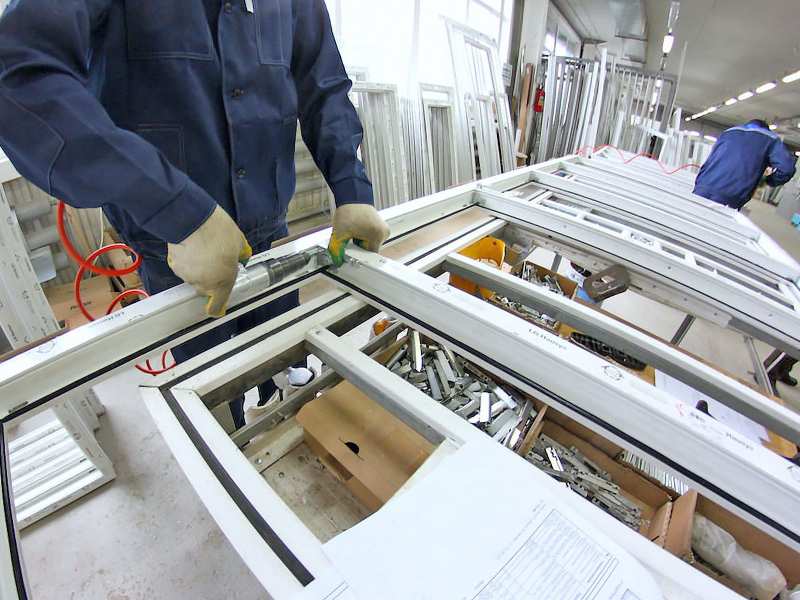
We will gather and complete
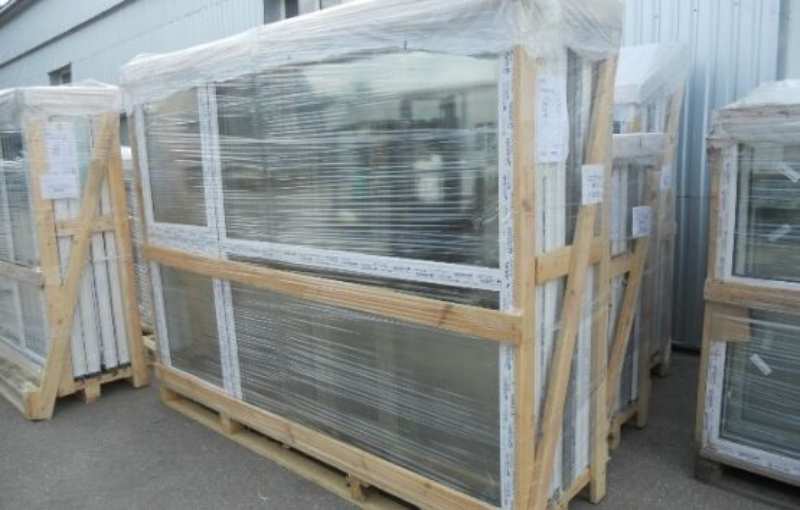
We will deliver intact and with a guarantee

We will install windows and clean up after ourselves
Do you have questions?
Leave your contact details
We will contact you shortly, provide all the necessary information about the products, and make a cost calculation.
+34
- Spain (España)+34
- France (La France)+33
- Italy (Italia)+39
- United Kingdom+44
- Ukraine (Україна)+34
- Belgium (België)+32
- Switzerland (Schweiz/Suisse)+41
- Germany (Deutschland)+49
- Netherlands (Nederland)+31
Please fill in this field correctly
Our Contacts
Spain
Call us now
Write to us