Please fill in this field correctly

Heat shock of the glass unit
Thermal shock of the double-glazed unit: causes of crack formation from the sun, risks, preventive measures, and the right solutions to protect windows in summer heat.
When it comes to new windows, most people expect one thing: to finally make their home warmer, quieter, and more economical. But energy saving is not magic or "magic glass," but a system where every detail contributes to the result. A properly selected window is felt literally from the first days: less draft, stable temperature, and significantly more comfortable microclimate.
What to look at first
Energy-efficient windows are a long-term investment. They affect your heating, air conditioning costs, and overall comfort of the home. Therefore, it is important to understand the key characteristics before making a choice.
Heat transfer coefficient (U-Value)
This is the indicator that should be checked first. The lower it is, the better the thermal insulation of the window. The modern optimum for residential premises is up to 1.1 W/m²K. This is a real contribution to warmth in winter and coolness in summer.
Glazing unit
Many only look at the number of chambers, although this is just part of the story. It is also important:
- energy-saving Low-E coating,
- argon inside the chambers,
- quality spacer bars,
- balanced glass thickness.
When all these elements are correctly chosen, the glazing unit works like a thermos, maintaining the required temperature without unnecessary heat loss.
Profile
- PVC - a warm and affordable option.
- Aluminum - about strength, durability, and modern architecture.
- Combined systems combine the warmth of PVC and the minimalist appearance of aluminum.
The main thing is not the material itself, but how well it suits your home and climate.
Hardware and tightness
This is something that is often mentioned only after installation. Quality hardware and tight fitting of the sashes determine the absence of drafts, ease of opening, and the overall lifespan of the window. Here, saving money usually leads to problems.
Installation - a critical stage
Even the best window will lose effectiveness if it is installed poorly. Proper sealing, alignment, installation tapes, and joint control are what will either retain heat or "let" it out into the street. Choose companies that provide a warranty for installation and do not hide the installation technology.

How to Prevent Heat Stroke
The basis of prevention is uniform heating.
Works best:
- not covering the sunny window with heavy curtains during the day
- not applying questionable quality tinting
- ensuring free air circulation near the glass
- not placing furniture too close
- monitoring external overlays and canopies to ensure they do not block part of the window
- if necessary - choosing tempered glass or energy-saving packages for sunny facades
- checking the condition of seals, as compromised tightness increases local heating
If the room faces south and heat is a normal occurrence, thermally resistant double-glazing or tempered glass is safer and more durable.
What Window Solutions Help Avoid Heat Stroke
Modern window constructions can effectively withstand sharp temperature fluctuations. Properly selected materials and professional installation reduce the risk of cracks and extend the lifespan of double-glazed units. In practice, the best options are:
- double-glazed units with thermally resistant or energy-saving glasses
- tempered and combined options for sunny facades
- profile systems that maintain shape stability even in heat
- proper installation and fixation of glass, without stress points
- regular maintenance and timely replacement of damaged components.
Such solutions make the window more resilient to solar activity and enhance the overall safety of the structure. Properly selected materials act as insurance against seasonal risks and allow maintaining comfort in the room throughout the year.
Can you independently determine a heat stroke?
Yes, if the crack starts from the edge of the glass and there are no signs of impact. But for an accurate diagnosis, it's better to have a specialist examine it.
Why does the inner glass crack and not the outer one?
Because it often finds itself in the zone of sharp temperature fluctuations between the interior and the outside.
Will sun protection films help?
Only high-quality certified films. Cheap options, on the contrary, intensify heating.
How often should the condition of the seals be checked?
Once a year is enough. Damaged seals create overheating zones.
When should tempered glass be chosen?
If the window is large, faces south, or receives a lot of direct sunlight.

We will consult and provide a clear cost estimate
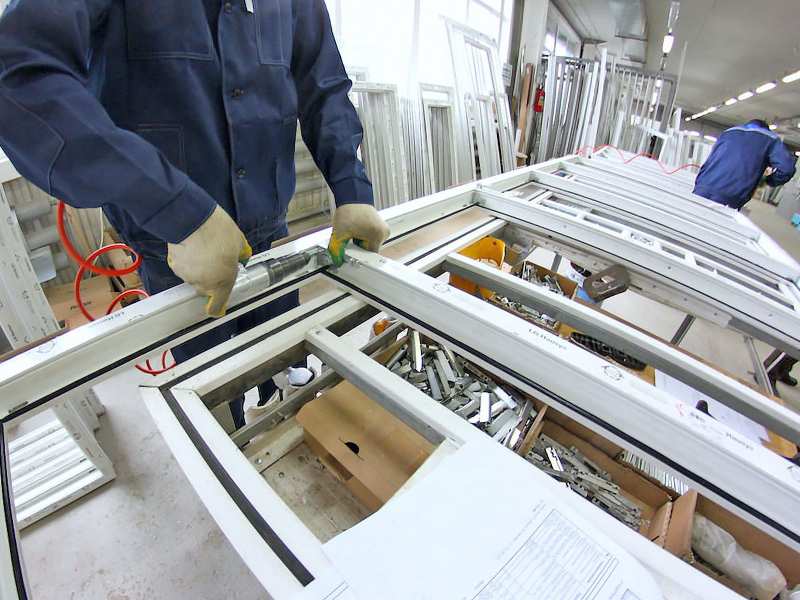
We will gather and complete
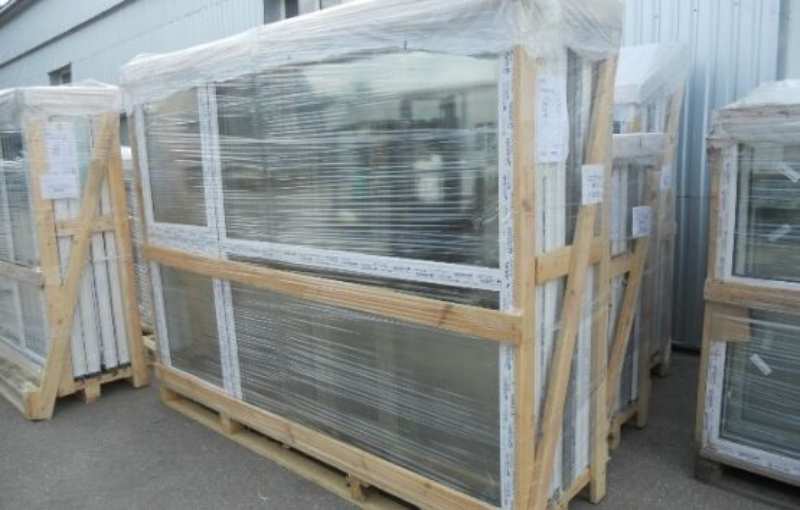
We will deliver intact and with a guarantee
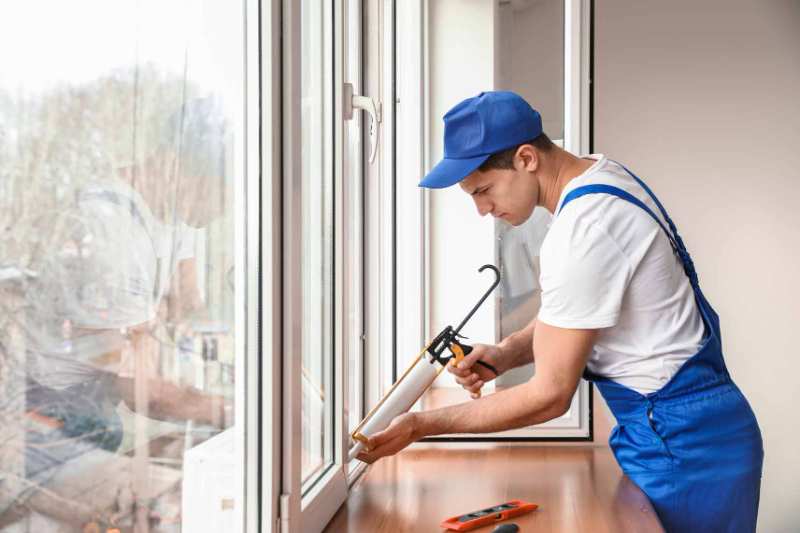
We will install windows and clean up after ourselves
Do you have questions?
Leave your contact details
We will contact you shortly, provide all the necessary information about the products, and make a cost calculation.
+34
- Spain (España)+34
- France (La France)+33
- Italy (Italia)+39
- United Kingdom+44
- Ukraine (Україна)+34
- Belgium (België)+32
- Switzerland (Schweiz/Suisse)+41
- Germany (Deutschland)+49
- Netherlands (Nederland)+31
Please fill in this field correctly
Our Contacts
Spain
Call us now
Write to us