Please fill in this field correctly
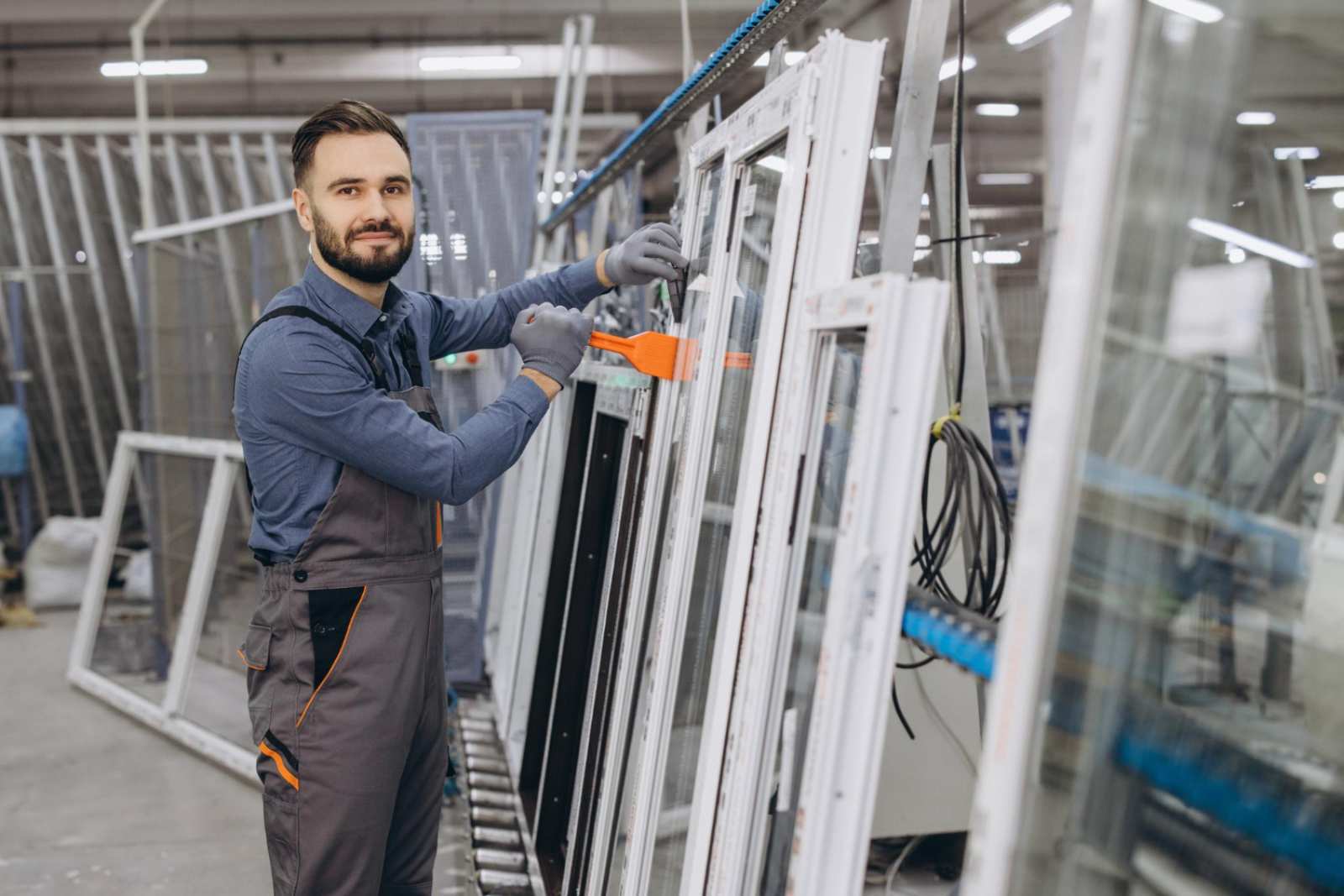
What do the actual manufacturing times of modern window systems depend on?
Real production times for windows: from measurements to installation. What affects the speed of production of PVC, aluminum, and turnkey double-glazed windows.
When investors, architects, or business owners plan the glazing of a facility, the question of "when will everything be ready" becomes a headache for both sides. In the professional window environment, the production time is not just a random number pulled from thin air, but the result of the work of a whole chain of specialists. In practice, the timeline is never the same for everyone. In particular, when clients order aluminum windows in Alicante, they need to understand that the speed depends on a bunch of factors, ranging from the physics of materials to the architectural complexity of the building's facade.
Experts at Veneda manage production cycles and complex installation works on sites in Spain every day. We know for sure that the final date in the contract is formed even before the saw touches the profile for the first time. Everything affects this, including the availability of materials from partners such as Cortizo or VEKA, the specifications of the glass, and even the weather on the coast. In every serious engineering project, the timeline is calculated separately, as each order has its own technical "underwater stones".
Sequence of Stages in Creating a Transparent Structure
To objectively assess the delivery schedule, one must break down the process into atoms. Each stage has its own duration, which cannot simply be "fitted" without a critical loss of quality.
Conducting Measurements and Performing Engineering Calculations
Everything starts not in the workshop, but at the construction site. Accurate measurement is a fundamental stage. An error of one centimeter can cost thousands of euros and months of waiting for a new double-glazed unit. When we receive data from the site, engineers begin calculating the parameters. Critical aspects are determined here:
- The depth of the profile and the number of chambers to ensure energy efficiency.
- The chemical composition and thickness of the glass, so that the interior is not too hot, which is extremely important for Spain's climate.
- The mechanics of how the window will open.
- The ability of the structure to withstand strong wind loads on upper floors.
It is at this starting point that the timeline can change. Complex panoramic systems require detailed drawings. We calculate the center of mass and statics to ensure that the window does not deform under its own weight after a couple of years of operation.
Choosing the Optimal Type of Profile for a Specific Facility
The material of the window affects the speed of its assembly. Today, even the most modern energy-saving windows have different production cycle durations.
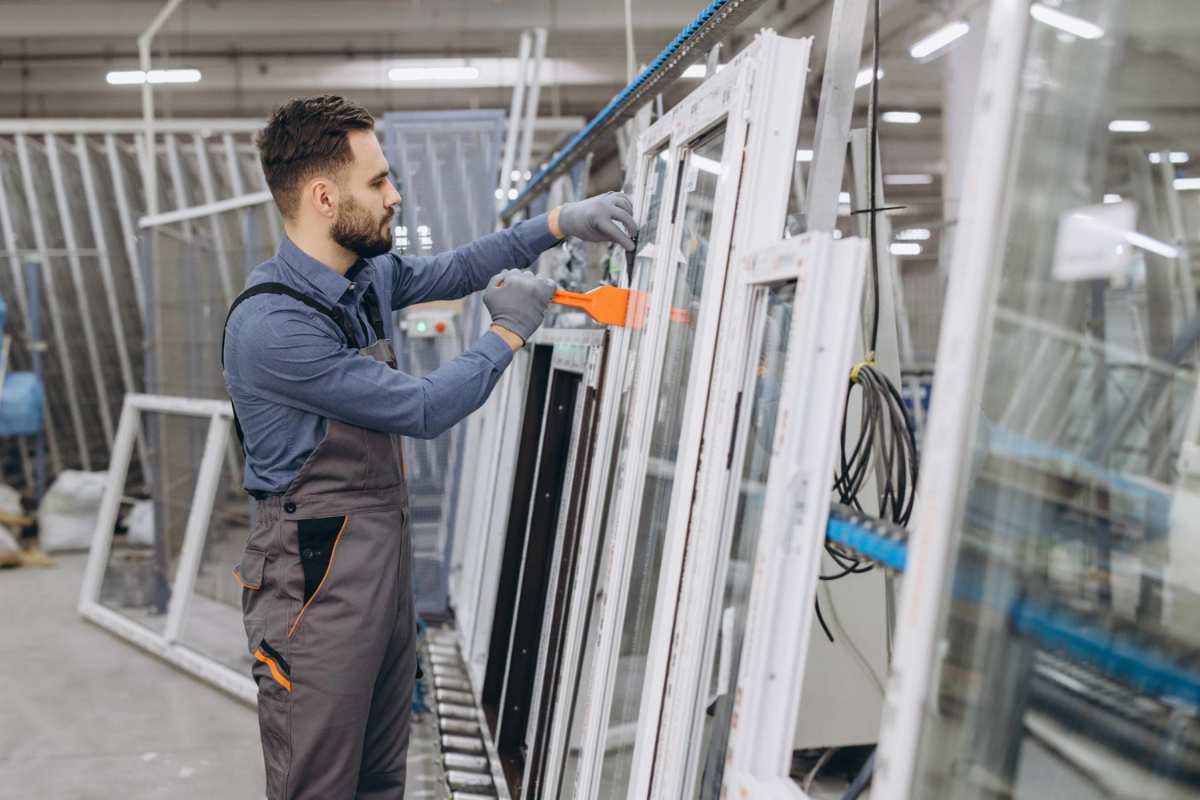
Plastic (PVC) is the fastest option since most processes are automated. However, there is a nuance: if the window is colored, the profile needs time to "rest" and cool down after welding to ensure the corners remain even.
Aluminum is the choice for large facades. There is significantly more manual work involved: precise milling for locks, assembling sturdy corners, and installing special seals. This takes more time than working with plastic.
Wood-aluminum systems are in the premium segment and involve the longest wait. Natural wood requires multi-layer painting and drying in ideal conditions, which cannot be accelerated without compromising quality.
At Veneda, we only use certified systems. It is important to understand that aluminum requires precision. If a corner is assembled incorrectly, the frame will lose rigidity; therefore, this process cannot be rushed.
Technological Cycle of Creating an Energy-Efficient Glazing Unit
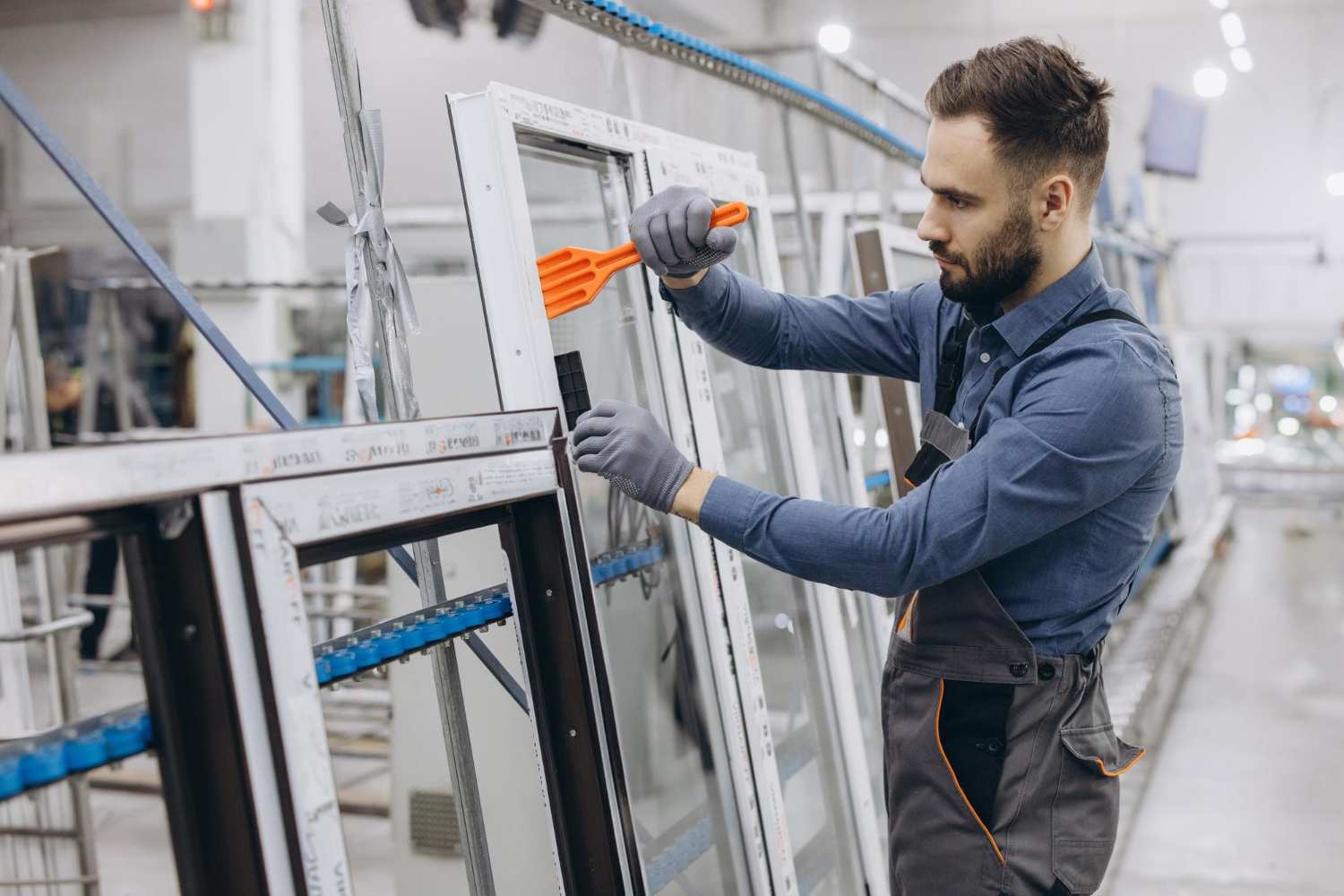
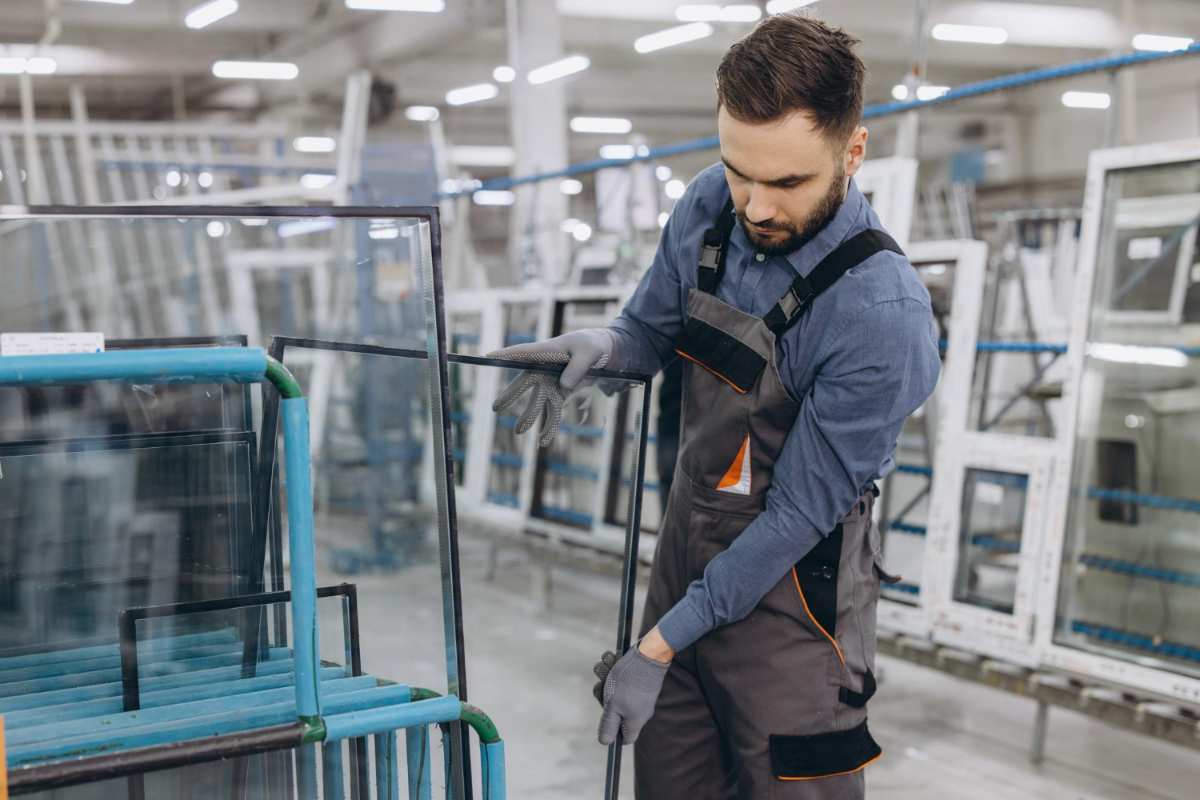
The glazing unit occupies almost the entire window area. Its production is a separate technological world. The time depends on how "smart" the glass needs to be. This includes the number of chambers, the use of special coatings for sun protection, and the choice between regular glass and triplex. If the glazing unit is to be safe, the glass must be tempered. Tempering is the process of heating to 700 degrees and then rapidly cooling. This operation adds a few days to the schedule, as the glass needs time to "calm down" after thermal shock. For large "jumbo" formats, we use special sealants that dry much longer than usual, but keep the glazing unit airtight for decades without deglazing.
Assembling the Window Frame and Installing Hardware Elements
When all the details are ready, the final assembly begins, which includes the following steps:
- The profile is cut with millimeter precision on high-precision equipment.
- A powerful metal is placed inside the plastic to ensure rigidity.
- The elements are welded or mechanically joined, depending on the material.
- High-quality EPDM seals are installed for complete system tightness.
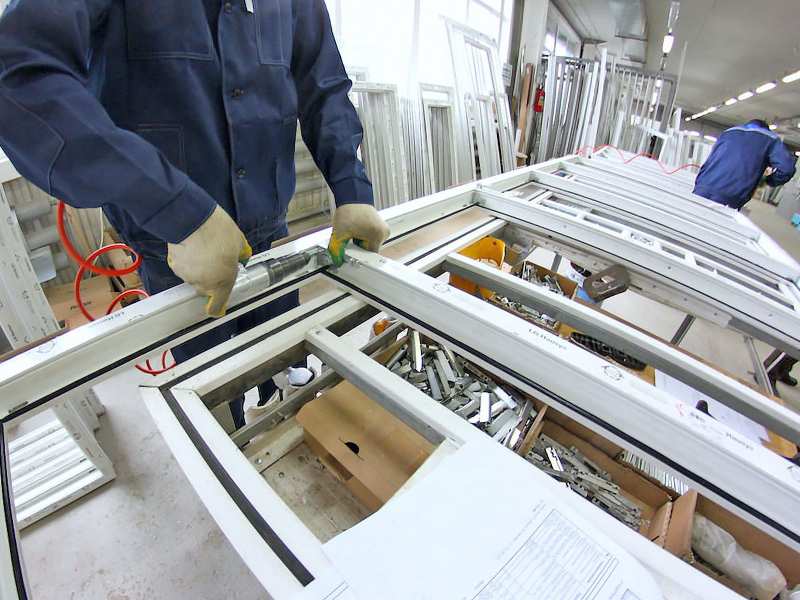
- The hardware binding is installed and calibrated.
For regular windows, this is a quick process. But if it is a sliding system weighing 400 kg, the craftsmen manually adjust each roller so that you can open such doors with a light motion of one hand.
Factors Affecting the Speed of Order Fulfillment
As experts, we always analyze the risks. The project manager must see the whole picture and consider even the time for logistics of small details from foreign suppliers.
The Impact of Dimensions and Architectural Features on Timelines
You can't deceive physics, so the larger the window, the longer it takes to make. Huge panoramic systems require reinforced framing and hardware that can withstand colossal loads without sagging. If you have non-rectangular windows, such as arches or trapezoids, the timeline increases significantly. The profile must be bent manually in special baths or under infrared heating, creating unique templates. This is an art that requires the craftsman's time, not just the work of an automatic machine.
The Dependence of Assembly Speed on the Chosen Opening Mechanism
The type of window opening is another addition to the waiting time. A regular window is easy to assemble. But lift-and-slide systems, known as HS portals, have complex rails and mechanisms. The precision of their installation must be perfect. If automation or smart home sensors are added to the system, this adds an electrical installation stage and testing of all components before delivery to the customer.
Considering Additional Functional and Decorative Elements
Every "feature" adds to the production time. Laminating the profile, which gives it color and texture, takes 48 to 72 hours for the film to adhere tightly. After that, the profile needs to "rest," otherwise, during cutting, the film may retract. Painting aluminum in RAL colors is a whole process involving baking in special ovens. Additionally, consider hidden hinges, anti-insect screens, or armored elements. All of this is customization that requires extra hours of specialists' work.
Organizing the Supply of Components from European Partners
Today, the window is a complex constructor from all over Europe. The glass may come from one factory, hardware from Germany, and seals from Italy. If the client wants an exclusive handle or a specific color that is not in stock in Spain, we wait for a shipment directly from the manufacturer. At Veneda, we always honestly warn about such moments so that you do not stop other work on the site due to the lack of glazing.
Analyzing Seasonal Load on Production Capacities
Seasonality is an objective reality. At the end of summer and in autumn, when everyone wants to finish construction before the rains, the queues at factories increase. It is better to plan glazing in advance. We also consider the schedules of European factories, where there are often collective vacations in August, when work in Europe literally comes to a standstill for two to three weeks.
Arguments for Individual Calculation of Readiness Times
Two identical-looking orders can have completely different timelines. Just changing the glass thickness from 6 mm to 8 mm results in different logistics and production duration. We also always look at the conditions of future installation. Professional window installation in Alicante or in other coastal areas requires special treatment of the hardware so that sea salt does not damage the metal in the first year. Only after a complete analysis of all these nuances do we provide the actual readiness date.
The time for window manufacturing is a balance between speed and quality. Standard items are made quickly, but complex architectural projects require engineering preparation and adherence to all technological pauses. We are confident that it is better to wait an extra week in production than to fix installation or sealing problems for years. True quality takes time, and this is the main rule of a reliable company.
Why do I sometimes get promised windows in a week, while you say two or three?
Because we are honest with you. It is possible to assemble a window quickly, but then it may sag or start to leak due to improper seam cooling. We let the materials "rest," and the hardware undergoes a full inspection. Quality does not tolerate haste, especially when it comes to windows meant to last decades.
Is there any way to realistically speed up the production process?
The best way is to choose standard white profiles and regular double-glazed windows, which are always in stock. Any customization, such as a special color, tempered glass, or concealed hinges, automatically adds time. But it's better to wait once for what you truly like than to regret a compromise later.
What if I have panoramic windows in my apartment right by the sea?
For the seaside, we make special systems. We need more time to prepare the glass so that it can withstand strong gusts of wind and a special coating for the hardware. Salt is the enemy of any metal, so we prepare your windows for the aggressive environment while still in the factory.
Does the complexity of the hardware affect the installation date of the window?
Definitely yes. Standard openings are installed very quickly. However, large sliding systems require complex adjustments for each component. We test each mechanism on a special stand to ensure everything works like clockwork at your site.

We will consult and provide a clear cost estimate
We will gather and complete
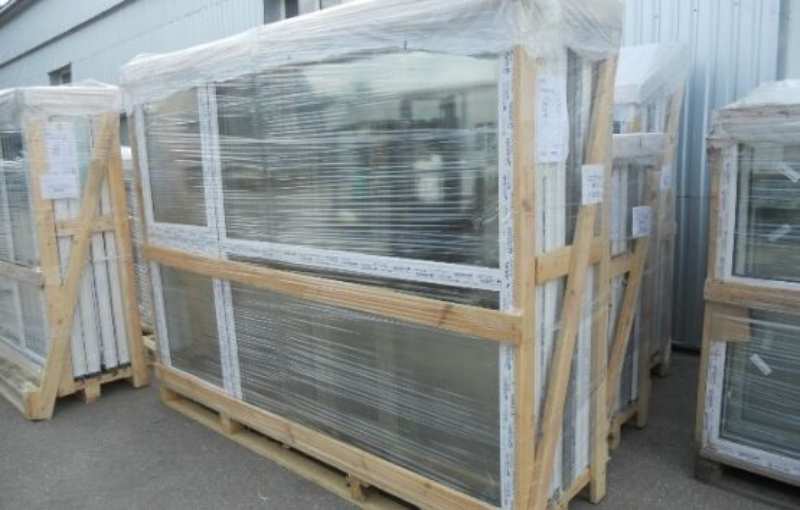
We will deliver intact and with a guarantee
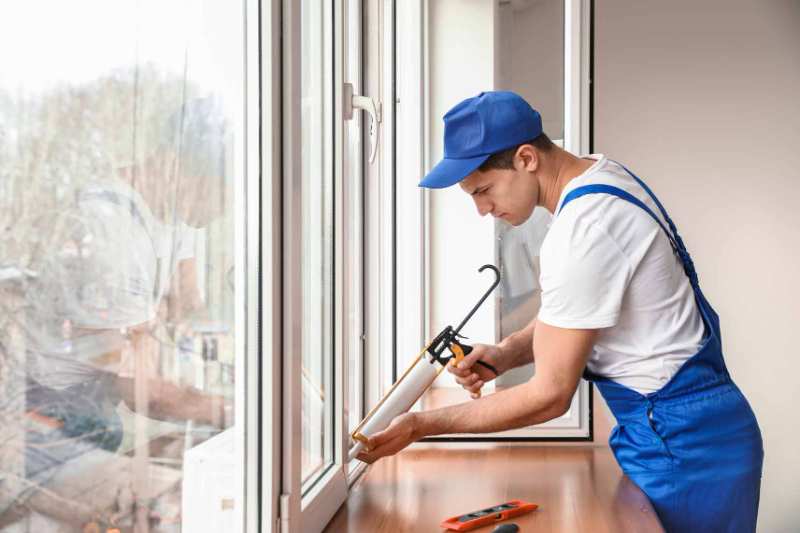
We will install windows and clean up after ourselves
Do you have questions?
Leave your contact details
We will contact you shortly, provide all the necessary information about the products, and make a cost calculation.
+34
- Spain (España)+34
- France (La France)+33
- Italy (Italia)+39
- United Kingdom+44
- Ukraine (Україна)+34
- Belgium (België)+32
- Switzerland (Schweiz/Suisse)+41
- Germany (Deutschland)+49
- Netherlands (Nederland)+31
Please fill in this field correctly
Our Contacts
Spain
Call us now
Write to us