Please fill in this field correctly
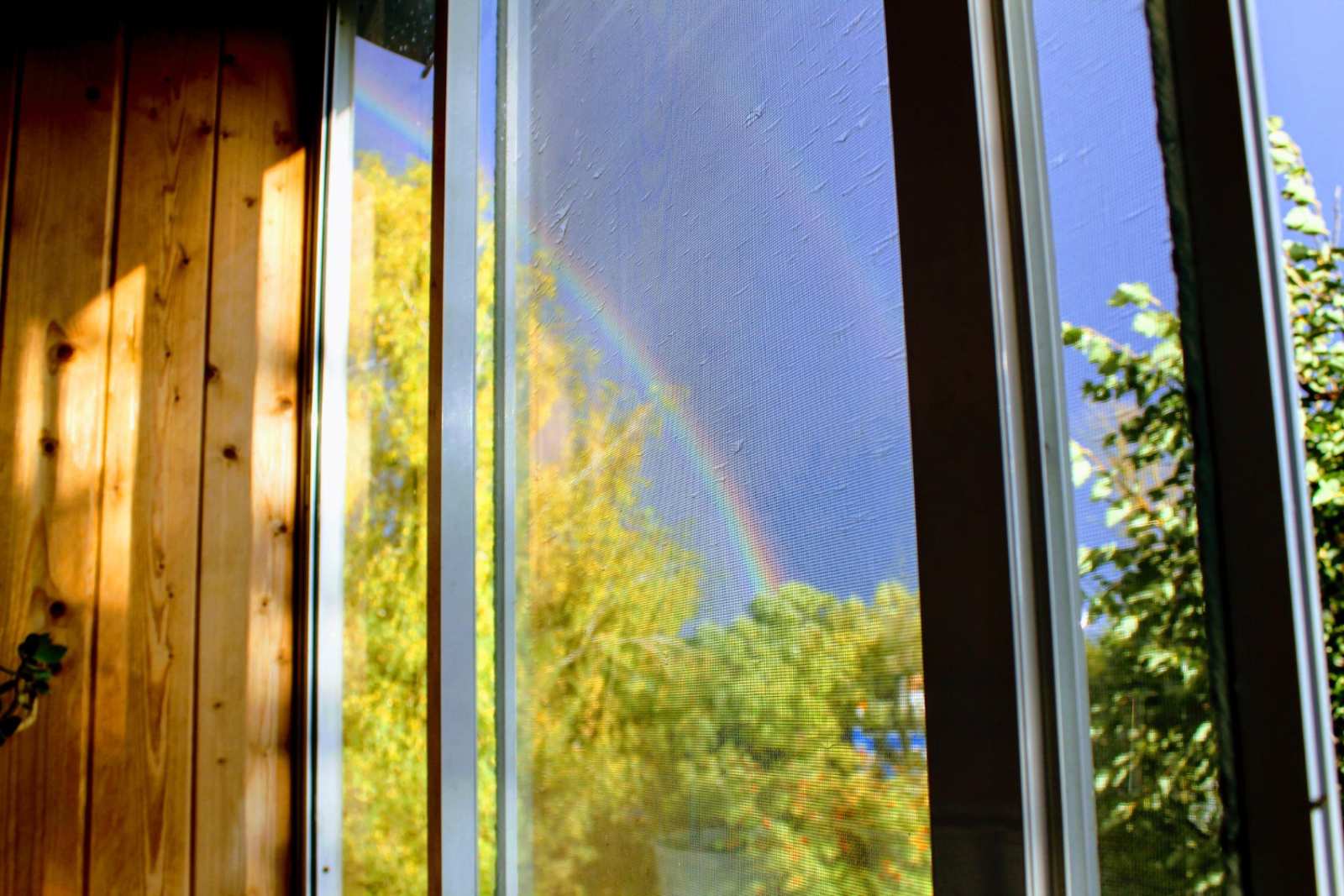
Windows for a passive house
Windows for passive houses: technical requirements, installation, and selection of double-glazed units for minimal heat loss and energy efficiency.
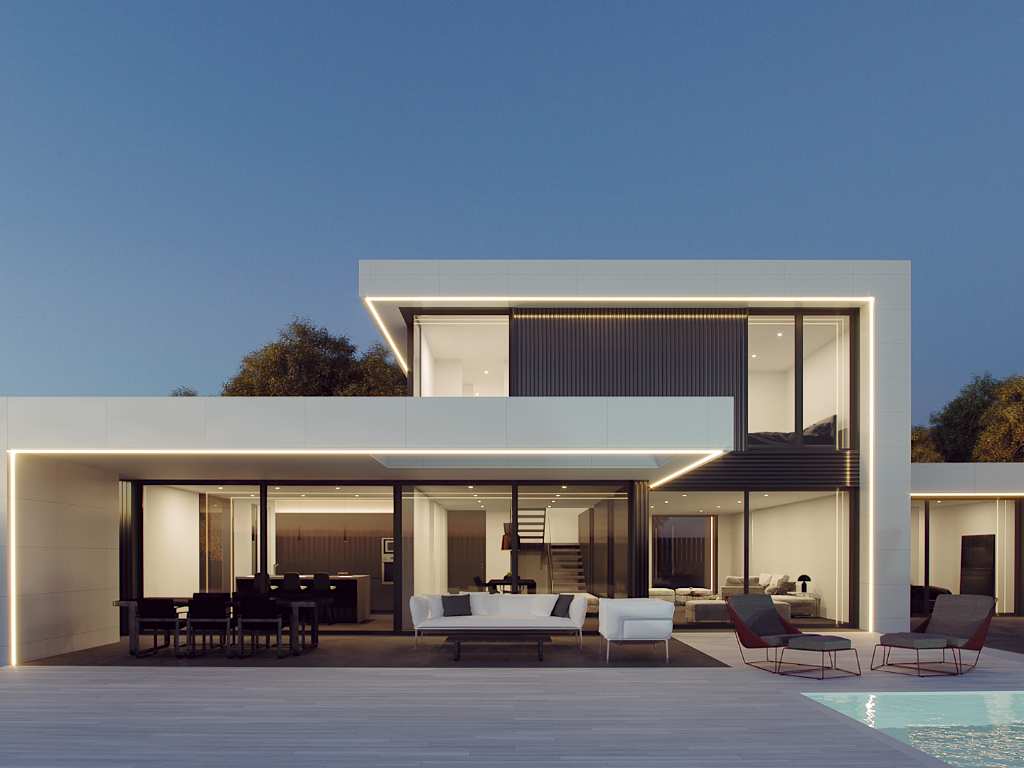
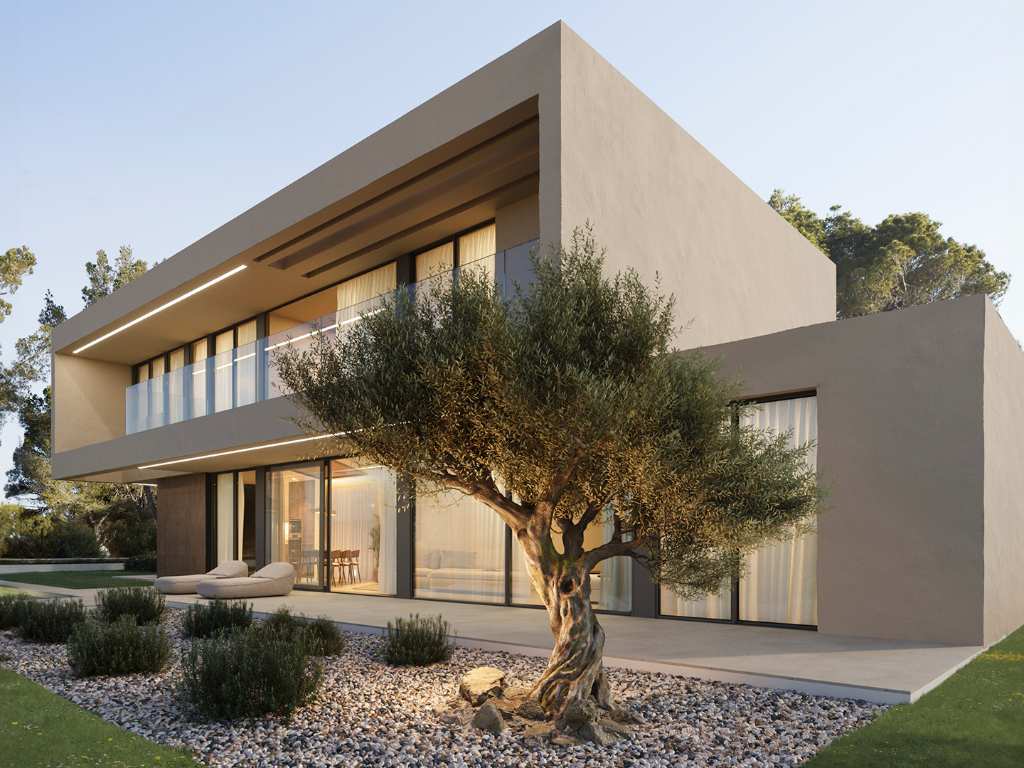
A passive house is a building that consumes a minimal amount of energy due to its airtightness, thoughtful insulation, and efficient engineering solutions.
Passive houses have long ceased to be a futuristic idea; today, they represent a completely practical approach to comfortable and economical living. However, when it comes to windows, many underestimate their role. They can either support energy efficiency or undermine all efforts.
Why windows are crucial in a passive house
In such a building, a simple rule applies: every element must retain heat and not let in cold. Walls, roofs, foundations - all of this is important, but windows remain the most vulnerable point. They allow light in, provide views, but can take away up to 30% of heat. Therefore, the requirements for them are significantly stricter than in a conventional building.
In a good passive house, a window works like a "thermos": it keeps heat in during the winter and does not allow excessive solar heat in during the summer. This is achieved through a combination of the glazing unit, profile, spacer frame, and properly executed installation.

What windows should be for a passive house
Very low thermal transmittance coefficient
Windows for passive houses usually have Uw ≤ 0.8 W/m²K. This can only be achieved if the glazing unit and the profile work as a single system. Laminated glass, double or triple-glazed units, multi-layer Low E coating - these are the norms, not options.
Maximum airtightness
Air leaks are the main enemy. The structure must withstand pressure, not allow drafts, and function without losses for decades. Therefore, windows are equipped with multiple sealing contours and sturdy fittings that prevent the frame from deforming.
Energy-saving glazing
The glazing unit in a passive house is not just glass, but a technological element. The most commonly used features include:
- laminated glass for strength
- argon or krypton in the chambers for better thermal insulation
- Low E coating to reduce heat loss
- warm edge spacers to minimize condensation
At the same time, the glass must let in enough light, as a passive house also utilizes natural solar gains.
Plastic or aluminum profile
PVC windows with multi-chamber profiles are well-suited for passive houses. However, modern aluminum systems with thermal breaks can also achieve high energy efficiency ratings. The main thing is the thermal insulation properties, not the material itself.
The importance of warm installation
Even the best window will lose half of its potential if installed incorrectly. Installation in a passive house involves:
- precise leveling
- using vapor and waterproofing tapes
- minimizing thermal bridges
- reliable fixation of the profile
This work is not done "by eye," but according to clear technical requirements.
What window solutions help achieve energy efficiency standards
For buildings aiming for passive house standards, optimal constructions include:
- profiles with a depth of at least 82 mm
- laminated glazing units of 48–52 mm
- Uw coefficient around 0.8 W/m²K
- multi-contour sealing systems
- fittings with high airtightness
Such windows ensure a stable microclimate, conserve energy, and maintain comfort without additional heating and cooling costs. In combination with insulated walls and heat recovery ventilation, they become part of a comprehensive energy-efficient system.


What U-Value should be considered really good?
For residential spaces, choose windows with a rating of up to 1.1 W/m²K. Lower is even better, but look at the whole package, not just the number.
Is it worth overpaying for a triple-glazed unit?
Yes, if you want noticeable thermal and sound insulation. But it's not just the chambers that matter - Low-E coating and argon are important too.
PVC or aluminum windows - which to choose?
PVC is better for warmth and price. Aluminum is for large areas and modern design. It all depends on the tasks and the house.
Does argon in the glazing unit really work?
Yes. It reduces heat transfer and improves energy efficiency. But it is important that the manufacturer guarantees the quality of the fill.
Can you save on installation?
No, you shouldn't. Poor installation "eats up" all energy efficiency, even if the window is the best.
How to find out if the company does installation correctly?
Ask about the installation technology, materials, warranty, and look at examples of their work. Professionals never hide this.

We will consult and provide a clear cost estimate
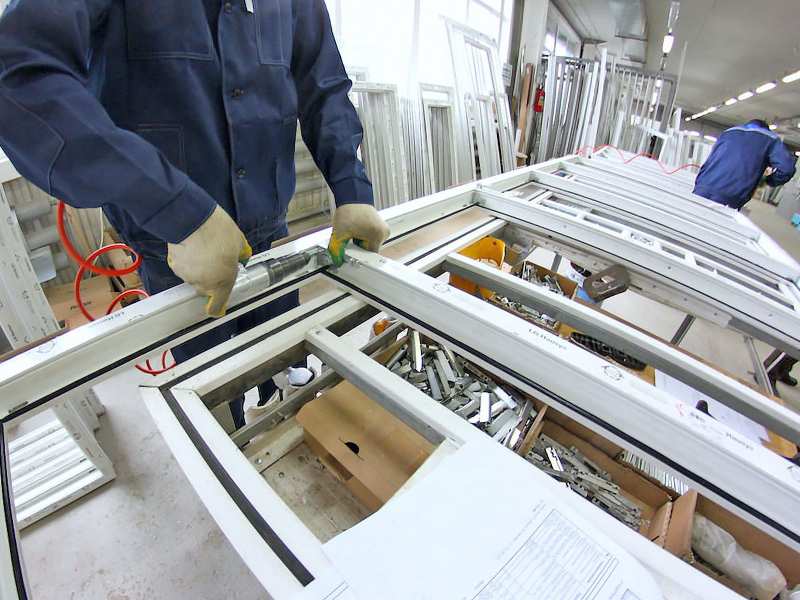
We will gather and complete
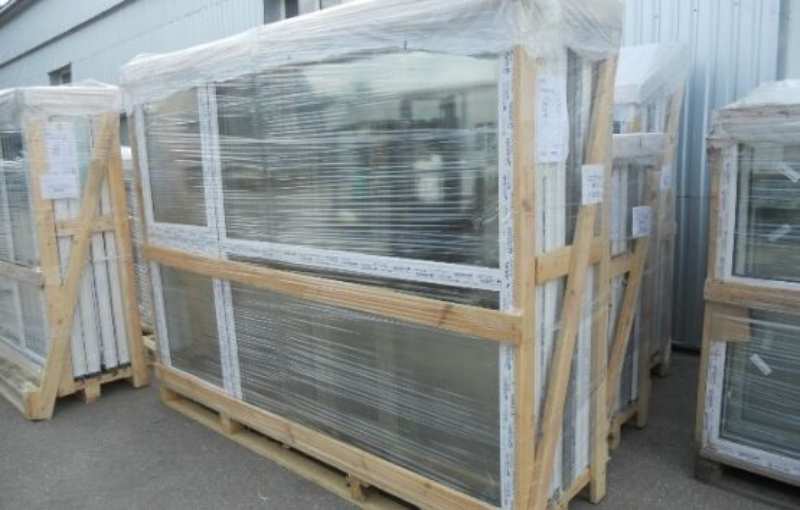
We will deliver intact and with a guarantee
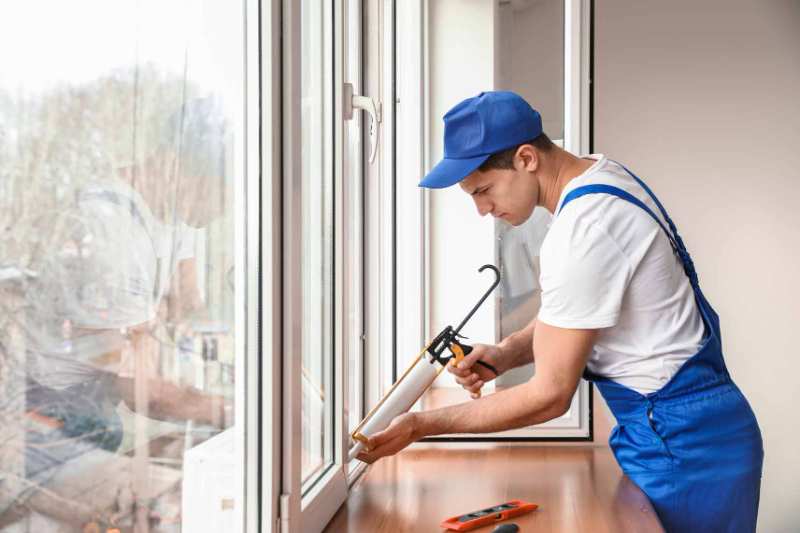
We will install windows and clean up after ourselves
Do you have questions?
Leave your contact details
We will contact you shortly, provide all the necessary information about the products, and make a cost calculation.
+34
- Spain (España)+34
- France (La France)+33
- Italy (Italia)+39
- United Kingdom+44
- Ukraine (Україна)+34
- Belgium (België)+32
- Switzerland (Schweiz/Suisse)+41
- Germany (Deutschland)+49
- Netherlands (Nederland)+31
Please fill in this field correctly
Our Contacts
Spain
Call us now
Write to us