Please fill in this field correctly

How to properly choose energy-saving windows
How to choose energy-saving windows: key parameters U-Value, glazing, profile, and installation. Tips for real savings on heating and air conditioning.
When it comes to new windows, most people expect one thing: to finally make their home warmer, quieter, and more economical. But energy saving is not magic or "magic glass," but a system where every detail contributes to the result. A properly selected window is felt literally from the first days: less draft, stable temperature, and significantly more comfortable microclimate.
What to look at first
Energy-efficient windows are a long-term investment. They affect your heating, air conditioning costs, and overall comfort of the home. Therefore, it is important to understand the key characteristics before making a choice.
Heat transfer coefficient (U-Value)
This is the indicator that should be checked first. The lower it is, the better the thermal insulation of the window. The modern optimum for residential premises is up to 1.1 W/m²K. This is a real contribution to warmth in winter and coolness in summer.
Glazing unit
Many only look at the number of chambers, although this is just part of the story. It is also important:
- energy-saving Low-E coating,
- argon inside the chambers,
- quality spacer bars,
- balanced glass thickness.
When all these elements are correctly chosen, the glazing unit works like a thermos, maintaining the required temperature without unnecessary heat loss.
Profile
- PVC - a warm and affordable option.
- Aluminum - about strength, durability, and modern architecture.
- Combined systems combine the warmth of PVC and the minimalist appearance of aluminum.
The main thing is not the material itself, but how well it suits your home and climate.
Hardware and tightness
This is something that is often mentioned only after installation. Quality hardware and tight fitting of the sashes determine the absence of drafts, ease of opening, and the overall lifespan of the window. Here, saving money usually leads to problems.
Installation - a critical stage
Even the best window will lose effectiveness if it is installed poorly. Proper sealing, alignment, installation tapes, and joint control are what will either retain heat or "let" it out into the street. Choose companies that provide a warranty for installation and do not hide the installation technology.

Key Technical Characteristics (What to Pay Attention To)
To avoid getting lost in numbers, window systems can be divided into categories based on their effectiveness. These indicators will help compare manufacturers' offerings (using Rehau systems as an example).
Characteristic
Premium Class (Maximum Efficiency)
Optimal Standard (Balance of Price and Quality)
Heat Transfer of the Entire Structure (Uw)
Below 0.7 W/(m²·K) (Best Insulation)
0.79 - 1.1 W/(m²·K) (Very Good)
Profile Installation Depth
80 mm and more
70 - 76 mm
Number of Chambers in the Profile
6-7 and more
5-6
Max. Thickness of the Glazing Unit
Up to 56 mm and more
Up to 48 mm
Sound Insulation
High (46-48 dB)
Average/Good (up to 38 dB)
Break Resistance
RC3 (Very High)
RC1 - RC2 (Sufficient)
**Examples: **
- Premium systems (reference Rehau Artevo, Synego) provide Uw around 0.61 W/(m²·K). This is the best choice for maximum energy savings and quietness.
- Standard systems (reference 70 / 76 MD) provide Uw around 0.79 W/(m²·K), which is an excellent balance of price and high thermal insulation.
Some Practical Tips Before Buying
- Look not only at the price but also at the equipment.
- Compare real technical specifications, not promotional slogans.
- Ask about installation - this is a sign of professionalism.
- If you live near a road or in a noisy area, do not ignore sound insulation indicators.
Comfort in the home throughout the year, lower energy bills, and noticeable improvements in quality of life are the result of a thoughtful decision rather than a random choice.


What U-Value should be considered really good?
For residential spaces, choose windows with a rating of up to 1.1 W/m²K. Lower is even better, but look at the whole package, not just the number.
Is it worth overpaying for a triple-glazed unit?
Yes, if you want noticeable thermal and sound insulation. But it's not just the chambers that matter - Low-E coating and argon are important too.
PVC or aluminum windows - which to choose?
PVC is better for warmth and price. Aluminum is for large areas and modern design. It all depends on the tasks and the house.
Does argon in the glazing unit really work?
Yes. It reduces heat transfer and improves energy efficiency. But it is important that the manufacturer guarantees the quality of the fill.
Can you save on installation?
No, you shouldn't. Poor installation "eats up" all energy efficiency, even if the window is the best.
How to find out if the company does installation correctly?
Ask about the installation technology, materials, warranty, and look at examples of their work. Professionals never hide this.

We will consult and provide a clear cost estimate
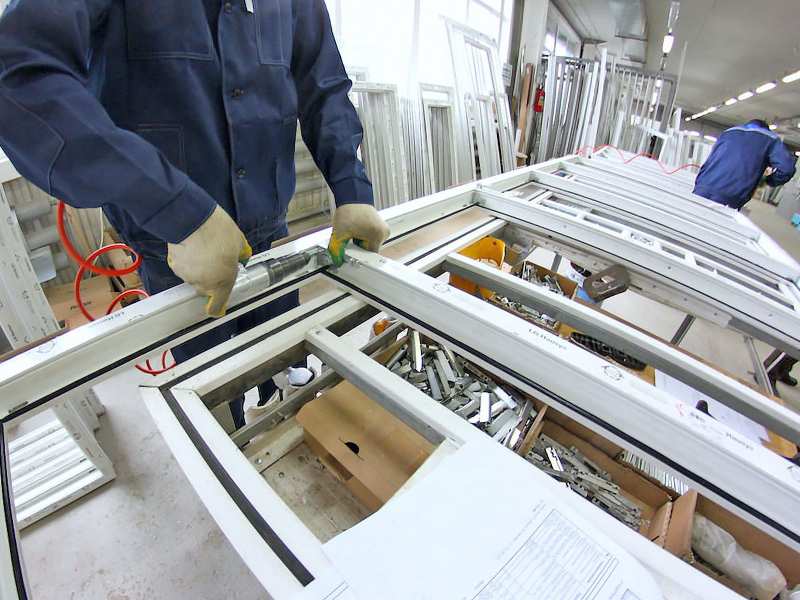
We will gather and complete
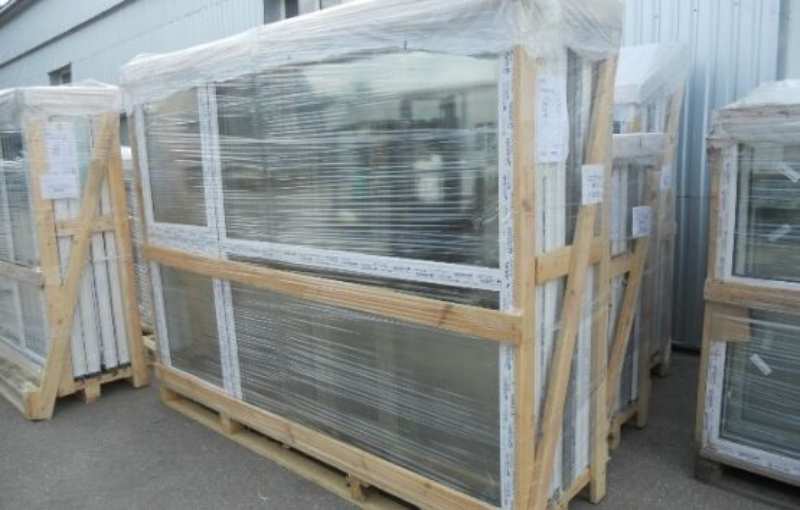
We will deliver intact and with a guarantee
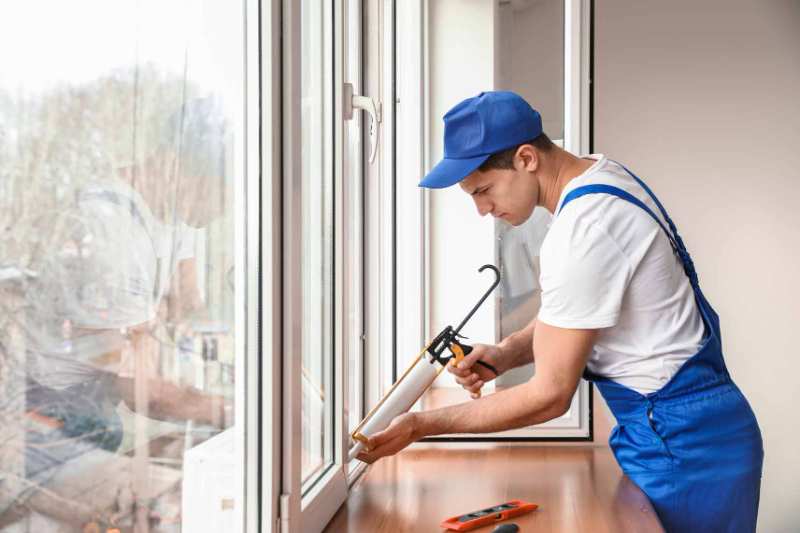
We will install windows and clean up after ourselves
Do you have questions?
Leave your contact details
We will contact you shortly, provide all the necessary information about the products, and make a cost calculation.
+34
- Spain (España)+34
- France (La France)+33
- Italy (Italia)+39
- United Kingdom+44
- Ukraine (Україна)+34
- Belgium (België)+32
- Switzerland (Schweiz/Suisse)+41
- Germany (Deutschland)+49
- Netherlands (Nederland)+31
Please fill in this field correctly
Our Contacts
Spain
Call us now
Write to us