Please fill in this field correctly
Panoramic systems and technical limitations of modern constructions
Panoramic glazing systems: technical limitations, types of structures (HST, sliding, aluminum) and engineering solutions for safety and thermal insulation.
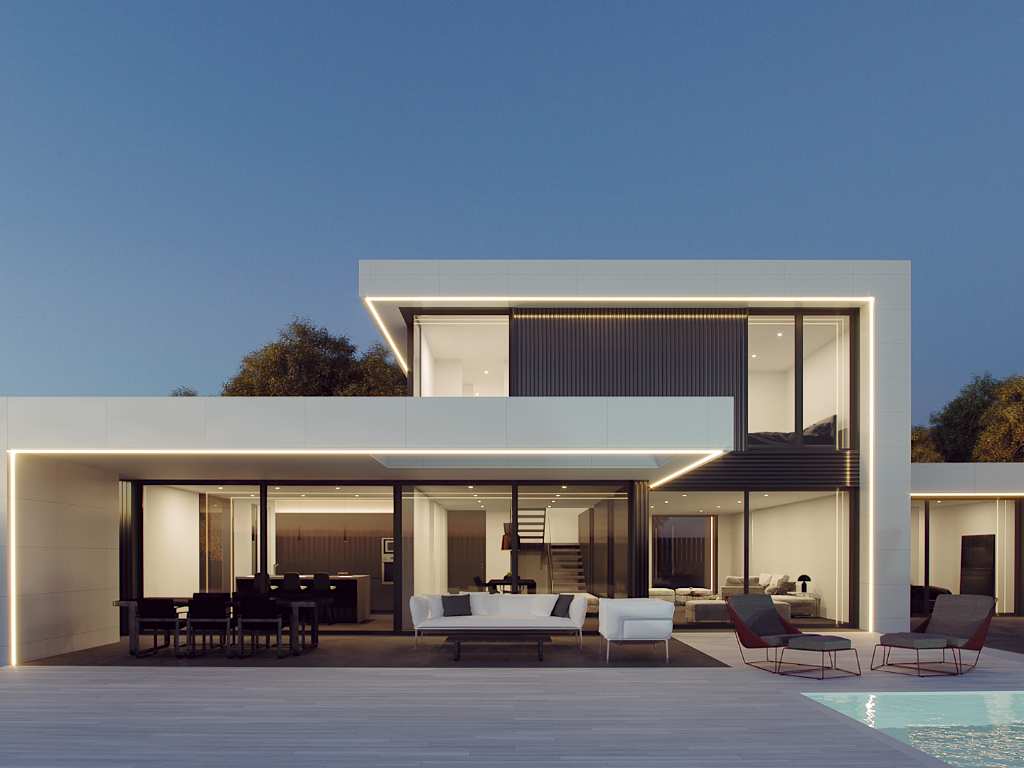
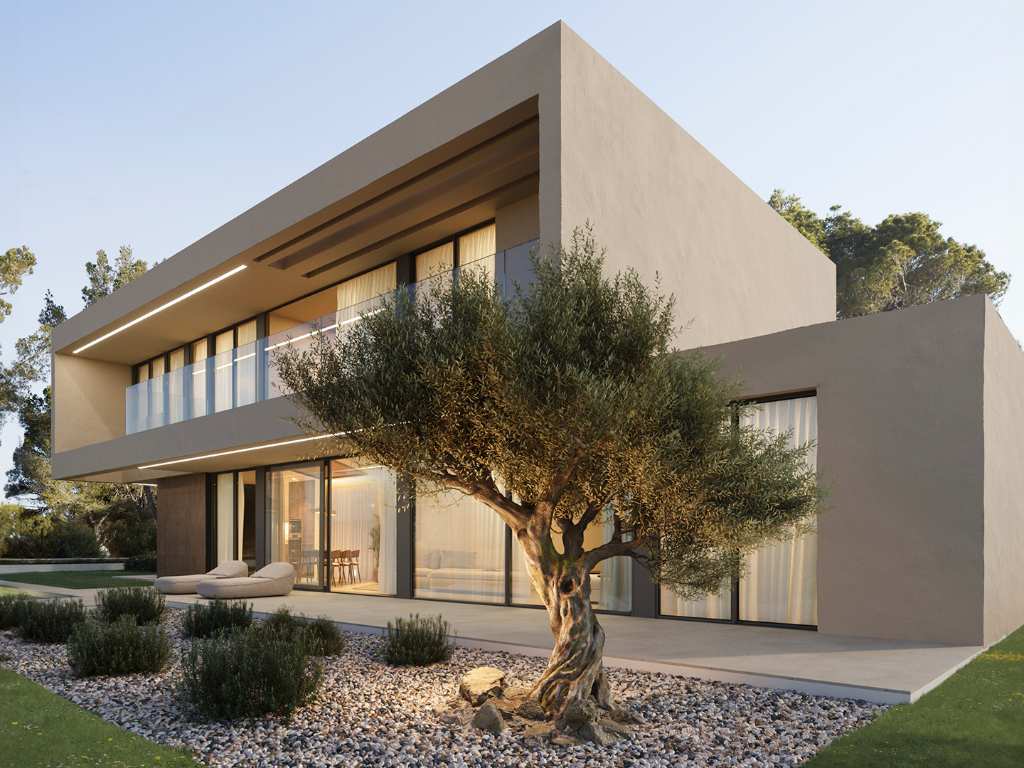
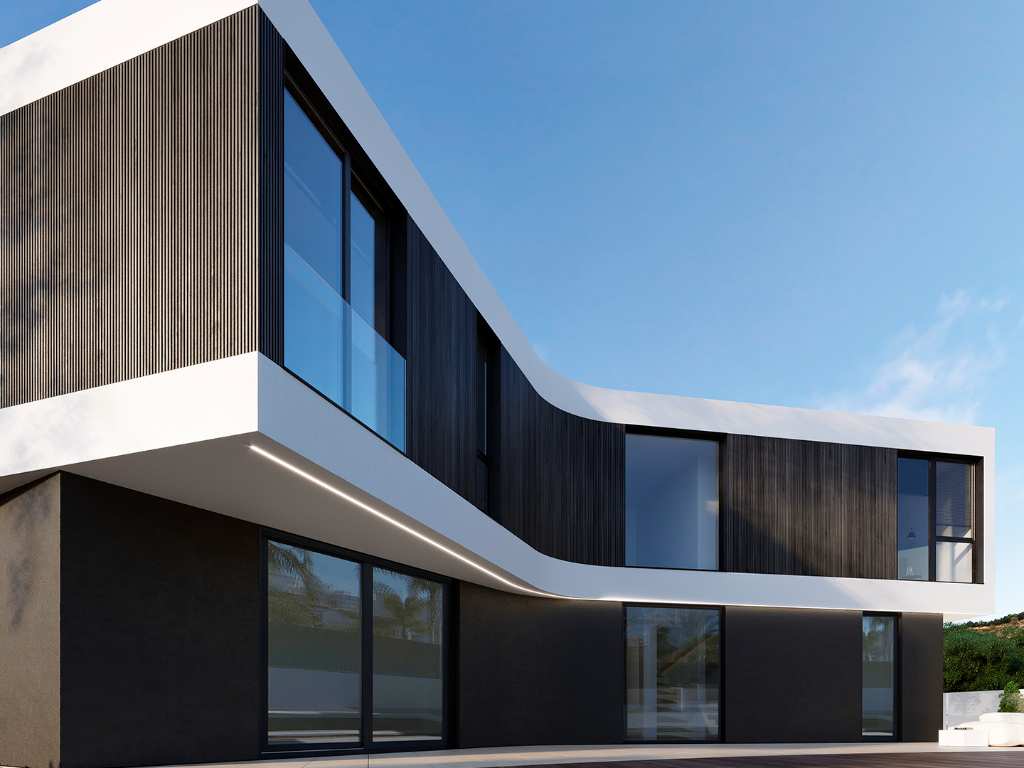
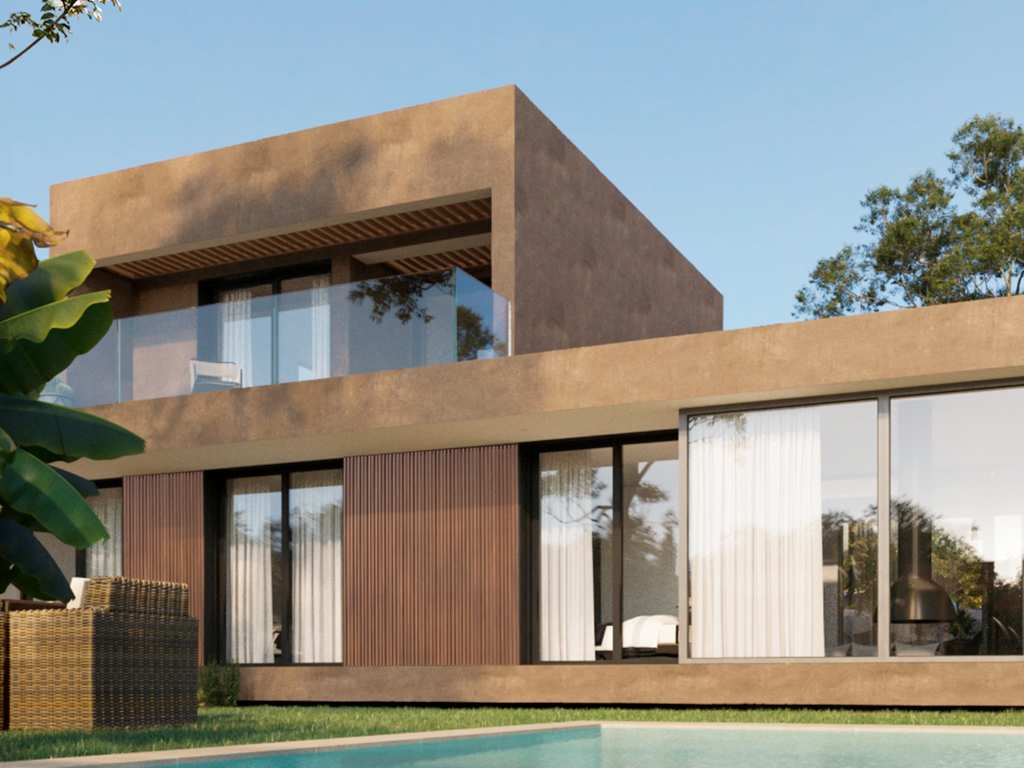
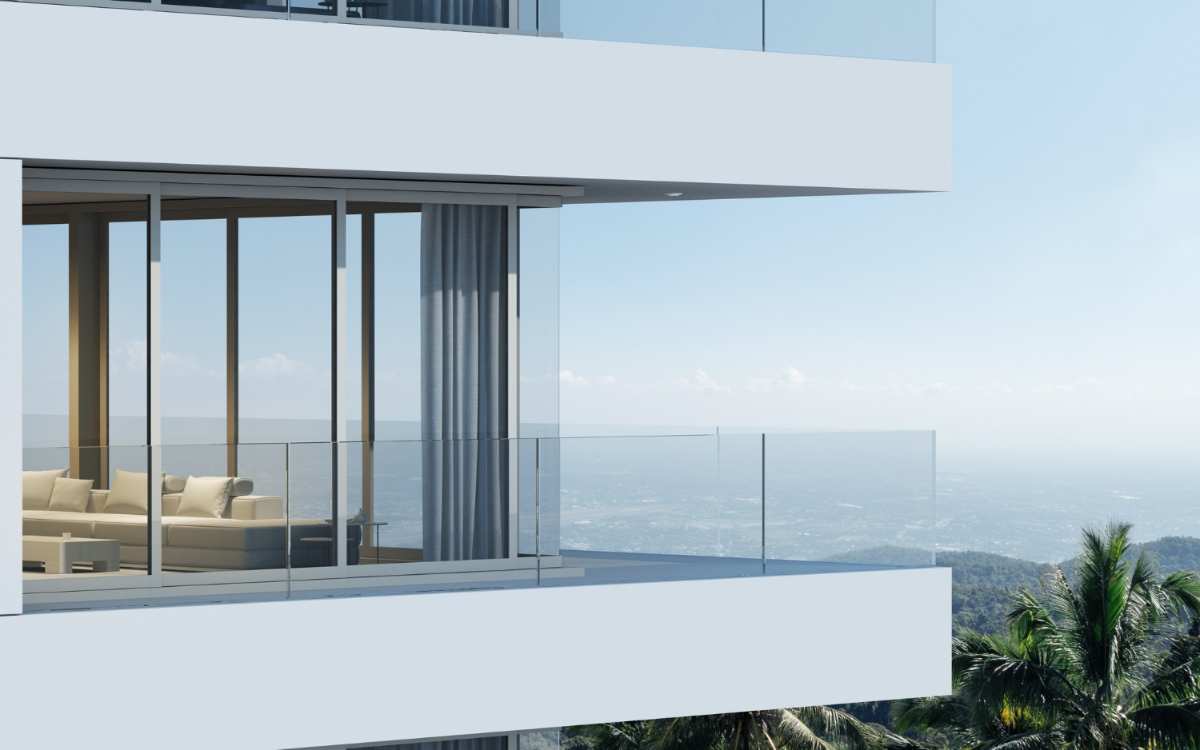
Panoramic systems are large glass constructions that blur the boundary between your home and the surrounding world. Today, they are actively chosen for private villas, modern offices, and penthouses to add space and fill the rooms with natural light. Such windows not only provide a wonderful view but also function as a complex engineering unit, from which the warmth in the house and the comfort of the residents directly depend.
In regions with a warm climate, particularly along the Mediterranean coast, panoramic glazing has become the gold standard of modern architecture. It allows you to transform a regular living room into an open terrace with just one turn of a handle. However, behind the aesthetics of the "glass wall," there are always complex engineering calculations. When a client chooses systems like PVC windows Alicante, it is important to understand that large formats require a special rigidity of the profile and high durability of the hardware. Working with panoramic constructions is always a delicate balance between the desire to make the frames as inconspicuous as possible and the necessity to hold the weight of the glass unit, which often exceeds several hundred kilograms.
Definition of panoramic systems and their application area
Panoramic systems are large-format window or door constructions, in which the area of transparent filling dominates over the area of frame elements. The main goal of engineering in this direction is to create the effect of a complete absence of a visual barrier. However, the less we see of the profile, the stronger it must be inside. A panoramic construction must not only "stand" but also work reliably under constant static loads and dynamic wind pressure, especially in coastal areas.
In modern projects, we most often use sliding or lift-and-slide mechanisms. The choice of a specific solution depends on many factors that we carefully analyze at the stage of initial measurements:
- The number of floors of the building and the speed of wind flows at a specific height.
- The orientation of facades in relation to the cardinal directions, as solar radiation in Spain can deform low-quality profiles.
- The weight of the future glass unit, which in panoramic systems is rarely less than 150 kilograms.
- Requirements for the threshold, as creating a barrier-free environment requires special waterproofing and drainage.
Veneda uses only verified PVC and aluminum profile systems that are maximally adapted to the aggressive influence of marine salt fog and extremely high temperatures.
Common types of panoramic glazing
Principles of operation and operational logic of sliding systems
Classic sliding systems are a reliable and straightforward option, where the working leaves move parallel to each other along special rails. This is the ideal solution when you need to save useful space in the room, as the leaf does not require a radius for opening. However, experienced experts know that ordinary sliding systems have their technical nuances that cannot be ignored.
For example, it is worth paying attention to the following important aspects:
- Sealing of the construction: In such systems, a brush seal is most often used. It perfectly protects against dust and fine sand, but in heavy rain with hurricane winds, it can allow minor micro-doses of moisture to pass through.
- Size restrictions: For standard PVC profiles, we recommend not exceeding a height of 2.5 meters for the leaves to avoid the "shaking" effect of the glass when closing.
- Wear of roller mechanisms: With a leaf weight of over 150 kilograms, ordinary rollers become consumables, so we insist on installing special reinforced mechanisms with anti-corrosion coating.
Technological Excellence of HST Lift-and-Slide Mechanisms
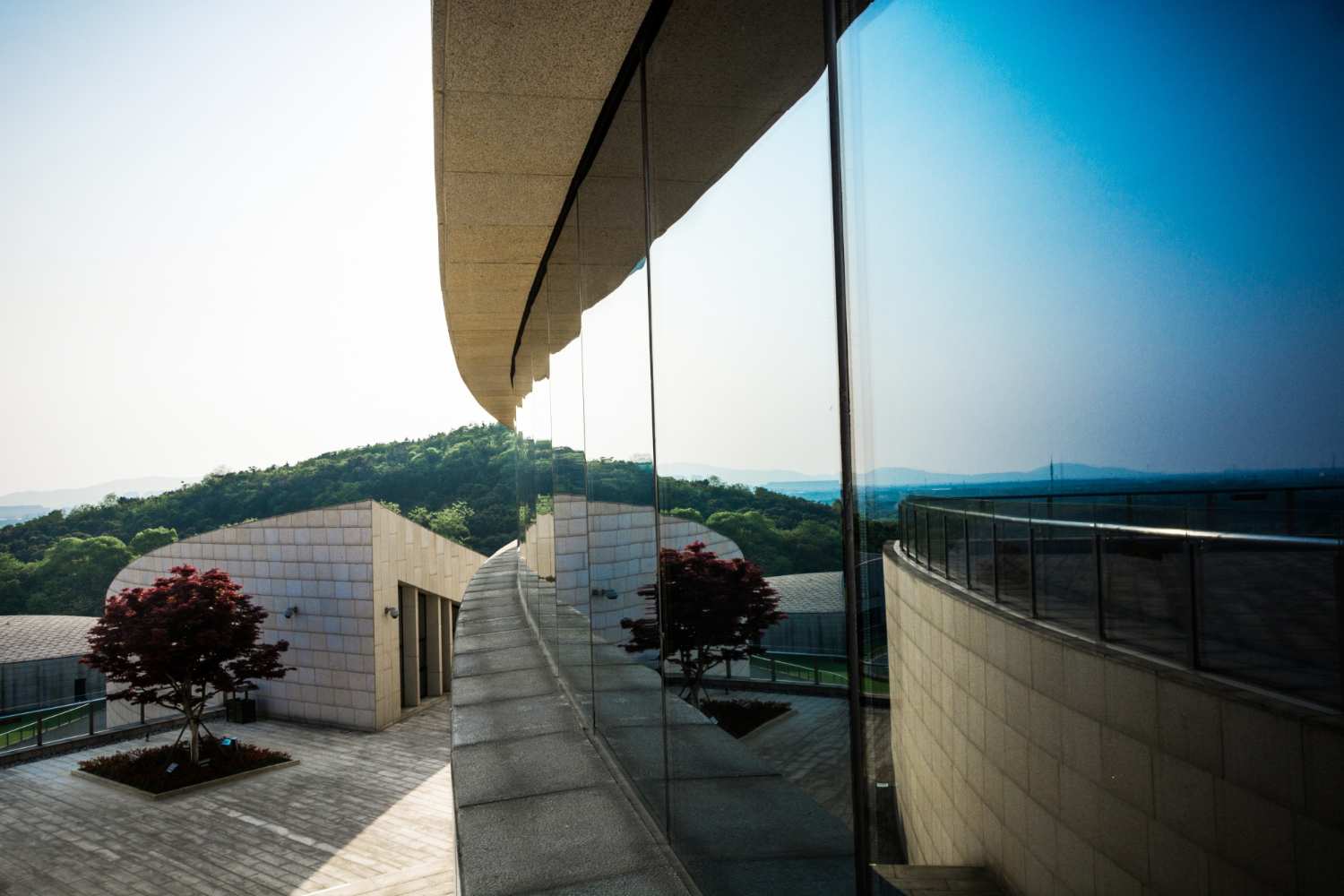
Lift-and-slide systems, known as HST, are the true elite of glazing. Here, the engineering principle of "lift and roll" is implemented. When you turn the massive handle, the sash lifts a few millimeters with the help of rollers, releasing the rubber seals, and gently glides along the stainless steel tracks. In the closed position, it drops under its own weight and literally "sinks" into the sealing system, creating absolute tightness.
Why professional architects choose HST for large openings:
- Colossal Load Capacity: One sash can weigh up to 400 kilograms, and a child can easily open it.
- Premium Level Tightness: Instead of brushes, powerful EPDM rubber seals are used here, which are resistant to any sea storm.
- Zero Threshold: Only in HST systems can the threshold be made completely flat, hiding its structural part flush with the finished floor.
- Thermal Insulation: Due to the tight pressure, such systems retain coolness in the house significantly better than any other sliding analogs.
Advantages of Rigidity and Aesthetics of Aluminum Profiles
When an architect says, "I want a minimum of visible frames and maximum clear glass," we always suggest aluminum. This metal has an enormous strength reserve and exceptional stability. Since aluminum windows Alicante have a high modulus of elasticity, they allow for the creation of gigantic structures with very thin and elegant profiles.
In aluminum, we implement what is technically impossible in plastic:
- Height of the Structure Over 3 Meters: An aluminum sash maintains perfect geometry even at extreme vertical dimensions.
- Color and Shape Stability: Black or anthracite aluminum frames are completely unaffected by solar heating, while dark PVC can start to deform under the scorching sun.
- Thin Central Mullions: The junction node of the sashes can have a width of only 20-30 millimeters, creating a complete illusion of the absence of frames and obstacles to the view.
List of Critical Limitations of Panoramic Glazing
A panoramic window is not just a decoration; it is a protective structure that must withstand colossal loads. Professional mistakes at the design stage lead to glass units cracking due to distortions, and heavy sashes become impossible to open without outside help.
Dependence of Maximum Dimensions on Linear Expansion
For the climate of Spain, thermal expansion of materials is the main enemy of window systems. PVC profiles expand by 1.6 millimeters for every linear meter in length. This means that a three-meter sash can "grow" by a few millimeters in a day. If the installers did not leave necessary thermal gaps or skimped on steel reinforcement less than 2 millimeters thick, the window will simply jam in the frame. We always take these physical expansions into account at the drawing stage, incorporating special compensation nodes into the project.
Engineering Solutions for Working with Heavy Glass Units
Glass is a very heavy material. The use of safe triplex or tempered glass with a thickness of 10 millimeters makes a glass unit weighing 300 kilograms a daily reality of our work. All this weight presses only on a few points of support – roller carriages. If the carriage is not designed for such mass, its bearing will crumble after only half a year of operation. In systems from Veneda, only carriages with reinforced bodies are used, designed for loads with a strength reserve of at least 30 percent.
Calculation of Dynamic Stability Under Wind Loads
On the Spanish coast, the wind is a constant and aggressive factor. A panoramic glass area of 6-8 square meters acts as a huge sail during a strong gust. Pressure arises that literally tries to push the glass out of the frame into the room. To keep the structure stable, we calculate not only the profile thickness but also the formula of the glass unit itself. Sometimes we add special "reinforcing inserts" in the corners of the sashes to provide them with the necessary rigidity against twisting.
Effective Thermal Insulation and Modern Protection Against Solar Radiation
For the Alicante region, thermal insulation is primarily protection against overheating. Through a huge window, solar radiation can heat a room in a matter of minutes. Our standard equipment for panoramic objects necessarily includes:
- Multifunctional Solar Class Glass: It effectively reflects solar energy outward while remaining transparent to the human eye.
- Warm Edge Technology Spacers: They are made of composite polymer rather than aluminum, which completely prevents overheating of the edges of the glass unit.
- Argon Filling: This inert gas in the glass unit chambers significantly slows down heat exchange between the scorching street and the cool house.
Requirements for Accuracy During Installation Works
The installation of a panorama is not a procedure that can be entrusted to novices with a foam gun. You cannot just "foam and close the hole with a plug." It is essential to understand that professional window installation in Alicante requires creating a reliable foundation for the structure.
We use a strict professional checklist for installation work:
- Use of Purenit Profile: This is an ultra-durable insulation material that supports weights in the hundreds of kilograms, does not deform over time, and does not create cold bridges.
- Use of Chemical Anchors: Only such fasteners provide a 100-percent guarantee that a heavy structure will securely hold in porous Spanish walls.
- EPDM Waterproofing Membranes: Special rubber strips that are hermetically glued from the outside and inside so that no drop of water passes under the threshold even during a severe storm.
- Precision Laser Control: We set all tracks with millimeter accuracy to ensure a "weightless glide" of the sashes throughout their lifespan.
The Value of Panoramic Systems for Modern Architecture
Investing in quality panoramic glazing pays off not only in aesthetics but also in the market capitalization of the real estate object. A house with solid "glass walls" looks significantly more expensive, prestigious, and modern than standard projects.
The main advantages for the property owner:
- Radical Visual Expansion of Space: A 20-square-meter room with a panoramic window feels like a full 40-square-meter living room.
- High Market Value: Real estate objects with high-quality large-format glazing are valued 20 percent higher than analogs.
- Maximum Savings on Lighting: You will be able to comfortably use natural light until the last moment of sunset.
- Acoustic Comfort: Modern panoramic systems can effectively cut off noise from a busy street at the level of 40-45 dB, creating an atmosphere of complete silence at home.
Panoramic systems are complex engineering objects where every millimeter of the profile and every gram of weight are critical for durability. They are indispensable for creating an open and bright living space in the Mediterranean climate of Spain. However, the successful implementation of such a large-scale project is impossible without a deep understanding of technical limitations and extensive practical experience. Only the synergy of advanced profiles, professional static calculations, and flawless installation guarantees that your system will function reliably for decades, providing you with daily enjoyment of incredible views.
Why are panoramic windows so expensive compared to regular ones?
Let’s be honest: a regular window is just a frame with glass. The HST panoramic system is a complex mechanism where just a special handle and reinforced carriages cost as much as several ordinary PVC windows. Plus, the glazing units themselves: they use tempered glass that is 8-10 mm thick, which is very expensive by itself. It’s like comparing a regular passenger car to a powerful truck: both can drive, but their tasks, designs, and parts are completely different.
Will it be cold in winter and too hot in summer because of such large windows?
It used to be the case, about 15 years ago, but now technology has made huge strides forward. We install the latest generation of multifunctional glazing units. In summer, they work as a "mirror" for thermal energy, preventing the room from overheating. In winter, they, on the contrary, retain heat inside the house. The key is not to try to save on argon and "warm" spacer frames. Then the climate in the house will be perfect.
How safe are they for the family? If someone accidentally runs into such glass, will it break?
We only use special safety glass. Even if a child crashes into it on a scooter, the glass will withstand the impact. And if you try to break it (for example, with a heavy sledgehammer), it will either shatter into small blunt cubes like in a car or remain hanging on a strong film. This is many times safer than ordinary thin glass in old apartments.
Is it difficult to take care of them and how to wash such glass giants?
Taking care of them is no more frequent than with regular windows. Aluminum profiles or high-quality PVC do not require special maintenance at all – just a regular damp cloth is enough. And for washing the glass outside, many people now use washing robots – they handle large areas perfectly without any risk to your life or health.
Can a panoramic window be installed instead of a regular wall in an old apartment?
Yes, but you need to first obtain professional permission and ensure that this wall is not a load-bearing part of the building. We also must check whether the ceiling slab can withstand the heavy weight of such a system. If all technical conditions allow it – we do a reinforced installation, and your old apartment instantly transforms into a stylish and bright loft.

We will consult and provide a clear cost estimate
We will gather and complete
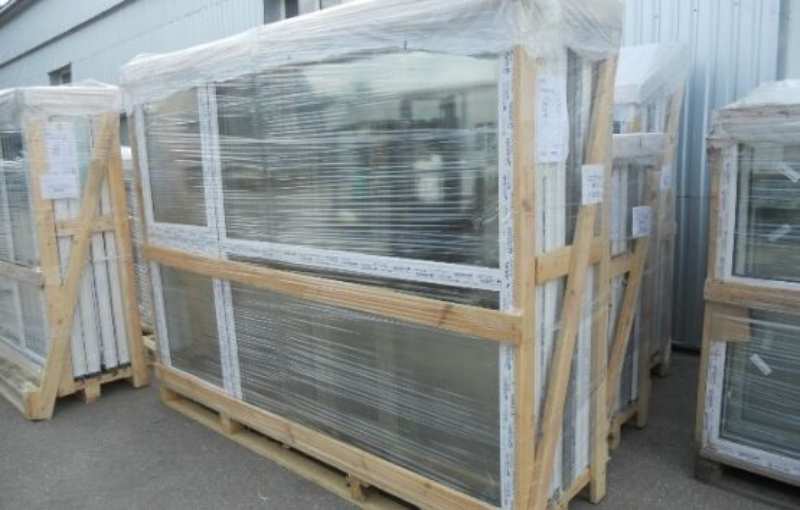
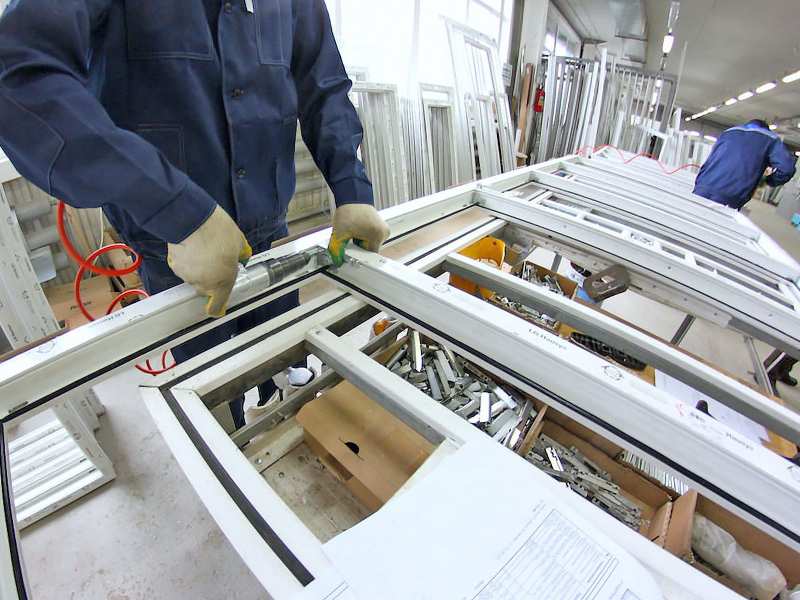
We will deliver intact and with a guarantee
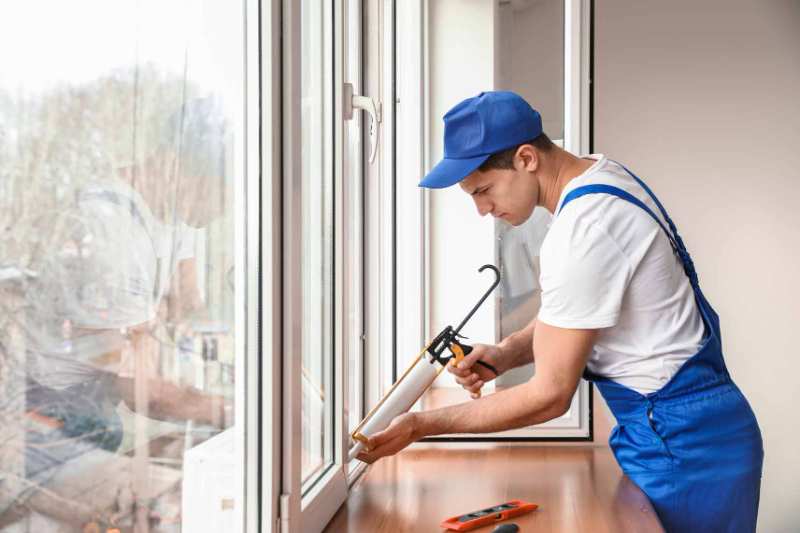
We will install windows and clean up after ourselves
Do you have questions?
Leave your contact details
We will contact you shortly, provide all the necessary information about the products, and make a cost calculation.
+34
- Spain (España)+34
- France (La France)+33
- Italy (Italia)+39
- United Kingdom+44
- Ukraine (Україна)+34
- Belgium (België)+32
- Switzerland (Schweiz/Suisse)+41
- Germany (Deutschland)+49
- Netherlands (Nederland)+31
Please fill in this field correctly
Our Contacts
Spain
Call us now
Write to us