
Please fill in this field correctly
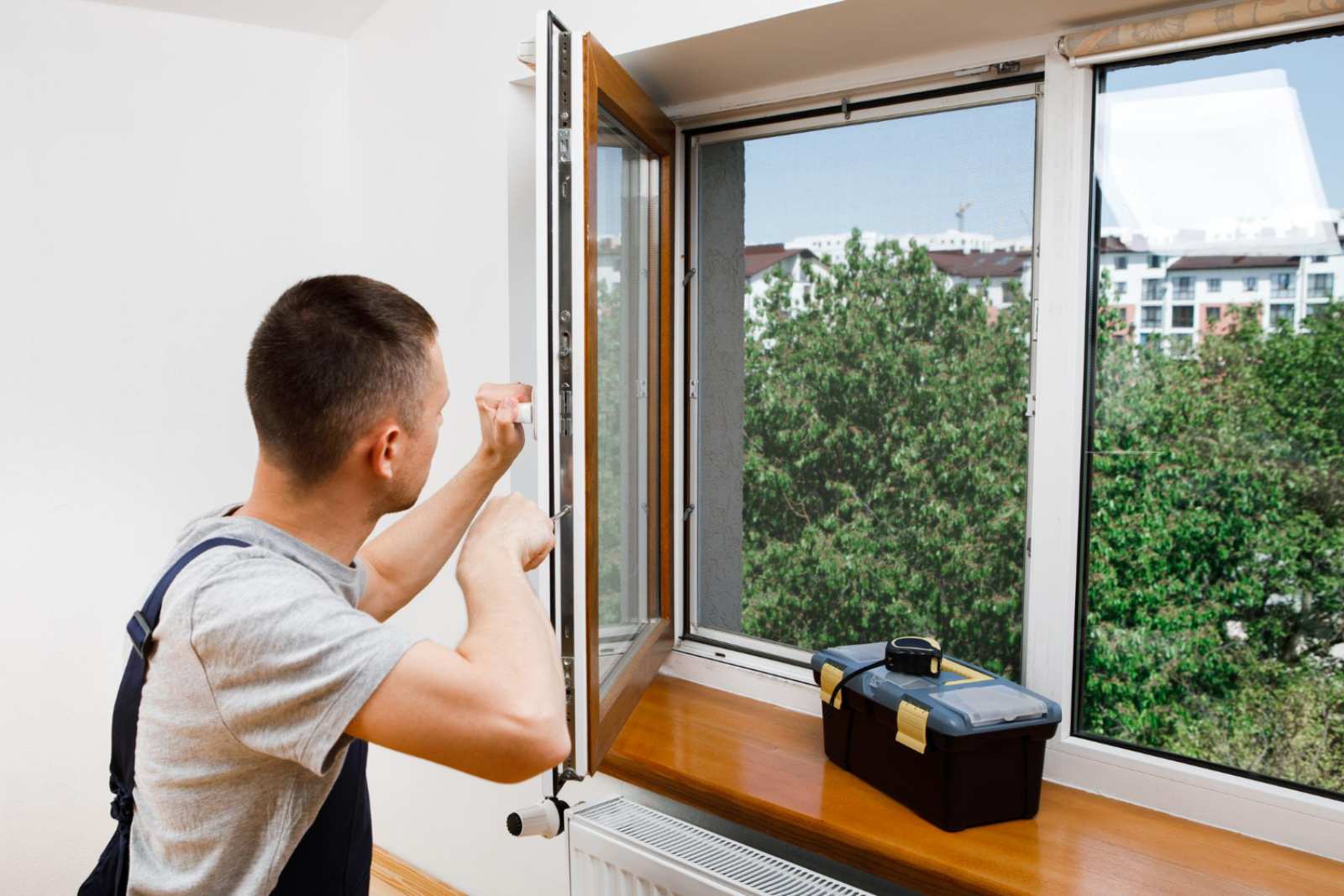
Spring technical inspection of windows
Spring technical inspection of windows: why it is important after winter. Diagnosis of fittings, seals, and drainage for the energy efficiency of your home.
When the winter dampness recedes, and the first stable warmth replaces the stormy winds, it is the perfect moment for property owners to check the condition of their windows. Practice shows: windows are usually only remembered when a noticeable draft begins to blow from under the sash or when electricity bills become excessive due to the constant operation of air conditioners. However, from an engineering perspective, a window unit is not just a glazed frame, but a complex mechanical system that operates under increased loads in winter. This is particularly relevant for coastal regions, where turnkey windows are ordered: here, the construction materials (PVC, aluminum, steel) withstand daily attacks from sea salt, high humidity, and sharp temperature fluctuations. A spring inspection is not a marketing move, but a necessary technical procedure that allows the system to function until the next season without major repairs.
An experienced technician knows: a window never breaks in a day. Any malfunction—from a stuck handle to a sealed unit failure—is the result of accumulated micro-problems. The winter period, with its condensation and wind pressure, only accelerates these processes. A spring audit allows for the detection of metal fatigue or the first signs of seal degradation while everything can still be fixed with a regular hex key and a few drops of lubricant. For business owners or homeowners, this is a direct way to avoid the replacement of expensive glass or a complete overhaul of window openings.
What really happens to windows in winter
Even quality window systems undergo a real test of strength in winter. A whole set of factors acts on the structure, gradually changing the state of materials.
- The first and main factor is thermal swings. In Spain, winters seem mild, but the difference between night coolness and direct sunlight during the day causes the frame and sash to constantly change their linear dimensions. Since PVC, aluminum, and steel reinforcement inside the profile react to heat at different rates, internal stress arises. This leads to the ideal autumn settings of the mechanisms being disrupted, micro-cracks forming, and the sash beginning to touch the frame.
- The second factor is moisture and salt. The condensation that inevitably appears on windows during humid months drains into the grooves of the hardware. If the object is located near the sea, this condensation turns into a saline solution, acting on the metal as an aggressive electrolyte. This accelerates corrosion even on galvanized parts if they do not have special protective coatings or are not treated with lubricant in time.
- The third factor is the condition of the seals. Rubber or elastomer, which should be soft and elastic, gradually lose elasticity under the influence of dampness and sunlight. They lose their molecular memory and stop pressing tightly against the frame. As a result, instead of a hermetic barrier, a system appears through which dust, noise, and moisture penetrate into the room.
Critical points of the spring inspection
A professional inspection is not just about opening and closing the window. It is a thorough diagnosis of the nodes that ensure comfort and silence.
Mechanics and kinematics of the hardware
The hardware is the "transmission" of the window. It consists of numerous moving rods, corner switches, and locking elements. In spring, it is important to check whether the old lubricant has turned into an abrasive paste by mixing with street dust.
Signs of hardware malfunction:
- The handle turns with a crunch or requires force.
- The sash has sagged and catches the lower profile when opening.
- The locking bolts do not fully engage behind the reverse strips.
In such cases, the technician will perform adjustment—a precise adjustment of the sash position in three planes to restore ideal geometry.
Health of the sealing contours
The tightness of the window depends 80% on the condition of the rubber. During the inspection, the engineer checks whether the seal has stuck to the profile and whether there are any tears or cracks. It is important to understand: the seal in the corners of the window often compresses more, and it is there that the most insidious drafts arise, which are difficult to notice immediately. If the material has become hard to the touch, it is a signal for replacement, as no restoration will return the necessary elasticity.
Condition of the glazing unit
The glazing unit is the heart of the system. In winter, due to the temperature difference inside and outside, a so-called "lens" may occur—when the glasses come closer due to a change in gas pressure in the chambers. A spring inspection allows checking whether this has led to a loss of hermeticity. If there is even a hint of fog or drops of water between the glasses, the glazing unit has lost its integrity. It no longer retains heat and does not isolate sound. It is impossible to pump argon back into such a system; only a complete replacement of the glazing unit will help.
Inspection of the profile and drainage
The profile frame also requires attention. Especially modern European profile systems, which have complex internal architecture. The main enemy here is a clogged drainage. These are small holes at the bottom of the frame through which water that has entered the groove should exit. If they are clogged with dirt or remnants of sea salt, the water will rise to the level of the reinforcement. The steel inside will begin to rust, and moisture will seep into the wall, provoking the appearance of mold on the slopes.

Energy Efficiency: How Windows Save Money
In engineering, there is the concept of uncontrolled infiltration. This is a situation where air constantly leaks through micro-cracks in the seals or poor compression. In the Spanish context, this is critically important not only in winter. In summer, when the sun heats the walls, loose windows cause the air conditioner to work excessively, trying to cool the street.
Regular inspections allow for maintenance, ensuring that they really function as energy-saving windows. Properly adjusted compression can save up to 30% on electricity bills. It’s simple math: the cost of calling a technician once a year is significantly less than overpaying energy companies during the summer season.
Typical Problems of the Spring Period
From my practice, I can highlight four main problems that occur at sites in March-April:
- Dropped Sash. Due to thermal fatigue of the metal, the sash slightly deforms and begins to rub against the frame. This is not only an unpleasant sound but also mechanical destruction of the plastic.
- Dried Lubrication. Old grease has lost its properties over the winter, and the mechanism operates dry. This leads to the wear of metal parts, after which the fittings can no longer be adjusted - they must be replaced.
- Seal Adhesion. If the window was rarely opened in winter, the rubber may literally stick to the frame. Upon the first sudden opening in spring, it simply tears.
- Aluminum Oxidation. In salty air, aluminum parts are covered with a white coating. If it is not removed, it acts as an abrasive, destroying moving components.
Professional Service vs. DIY Intervention
There is a belief that it is enough to wipe the window with a cloth and spray the locks with WD-40. From an engineering perspective, this approach is flawed. First, WD-40 is not a lubricant; this product washes away any remaining factory oil and may worsen the condition of the mechanism. Second, adjusting the sash is a matter of balance. If one screw is over-tightened, the load on the hinges will triple, leading to their breakage.
A professional does not just turn screws. They assess the condition of the wall anchors, check the level of the profile, and use special synthetic lubricants that do not corrode rubber. You can and should clean the drainage holes and wash the glass yourself, but precise adjustment of the mechanisms is work for an experienced person.
A Rational Approach to Operating Window Systems
Spring technical inspections of windows are not an expense, but rather a sound asset management practice. Any building requires attention, and windows are the first line of defense here. After a challenging winter season, even the best systems need maintenance. A systematic approach to hardware service, care for seals, and drainage control ensures that your home or office will be quiet, dry, and comfortable. Proper maintenance today means peace of mind for years to come and confidence that the windows will last as long as promised by the manufacturer.


When is the best time to call a specialist for inspection?
Ideally - when the prolonged rains have ended, and the daytime temperature consistently stays above +15 degrees. This allows the window to be adjusted in its natural state without extreme thermal deformations.
Do I need to lubricate the windows if they are not creaking?
Absolutely. The absence of creaking does not mean the absence of friction. When a sound appears, it usually means that the metal has already started to wear down and there is some wear.
Why has the window become worse at insulating street noise?
Most often, this happens due to the winter shrinkage of the seal or because the sash has shifted slightly. Even a microscopic gap of 0.5 mm works as an acoustic channel through which noise passes.
How to understand that the drainage is clogged?
If after the rain you open the sash and see water in the bottom groove of the frame that does not drain for 10-15 minutes - the drainage channels are clogged with dust or debris.
Can I use regular vegetable oil for lubrication?
Under no circumstances. Vegetable fats turn into a sticky film over time, which collects dust and becomes similar to glue. This is the fastest way to permanently disable the hardware. Use only silicone or special technical lubricants.

We will consult and provide a clear cost estimate
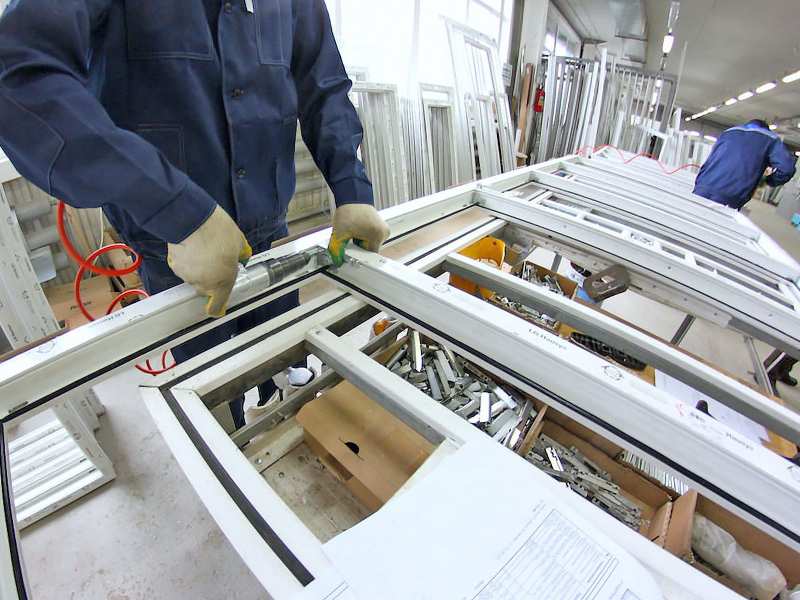
We will gather and complete
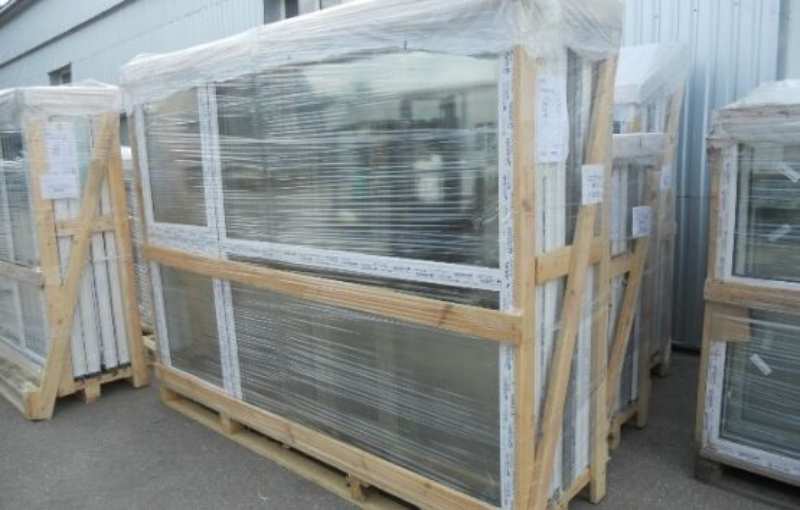
We will deliver intact and with a guarantee
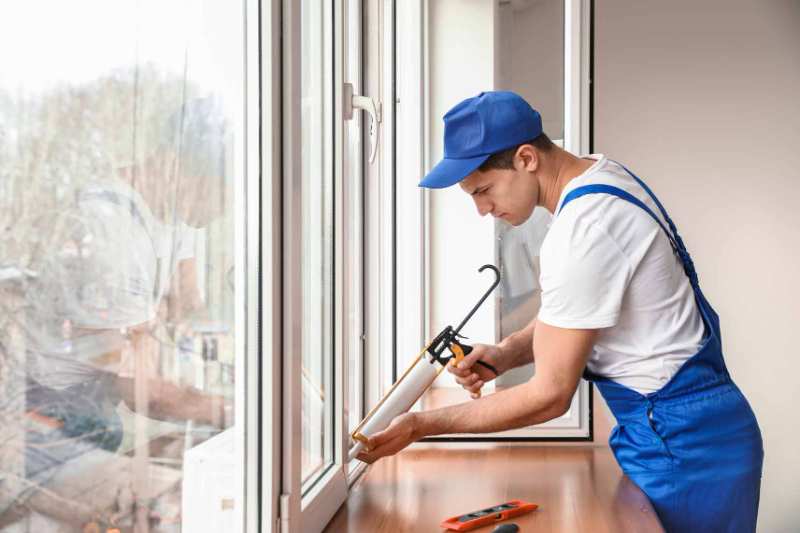
We will install windows and clean up after ourselves
Do you have questions?
Leave your contact details
We will contact you shortly, provide all the necessary information about the products, and make a cost calculation.
+34
- Spain (España)+34
- France (La France)+33
- Italy (Italia)+39
- United Kingdom+44
- Ukraine (Україна)+34
- Belgium (België)+32
- Switzerland (Schweiz/Suisse)+41
- Germany (Deutschland)+49
- Netherlands (Nederland)+31
Please fill in this field correctly
Our Contacts
Spain
Call us now
Write to us